The Verdict
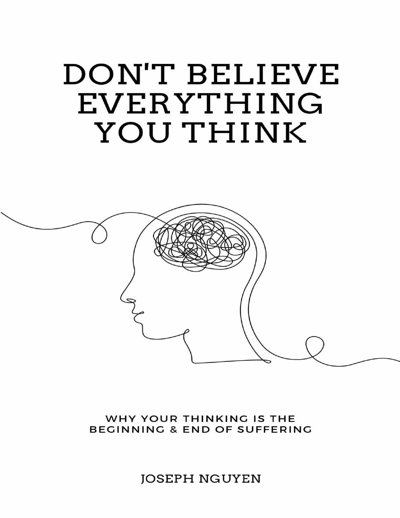
If you want to know whether this viral little self help book actually works, here’s my answer. One useful idea, wrapped in a lot of repetition and some very big promises. I give it three and a half out of five.
This review is spoiler free. That’s easy for a nonfiction book, but I’ll still tell you where it gets bold, so you can decide if it’s for you.
What the Book Is
It’s a short, plain spoken book, first published in twenty twenty-two as an independent release. Videos of Nguyen reading from it spread on TikTok, and it grew into a global bestseller, with an expanded edition arriving in October twenty twenty-four. I read the original text, which has an introduction, seventeen short chapters and a set of guides.
The pitch is simple. Suffering comes from thinking about your thoughts, and when you notice that, you can return to a natural state of peace. Most chapters are only a few pages, so you could finish it in an afternoon.
Why It Went Viral
It’s worth asking why a self published book spread so far. The ideas fit in a short video. A line like thoughts are not facts, or you are one thought away from peace, is easy to post, easy to remember, and kind to someone who has had a rough day.
That also explains the book’s weakness. It’s built for quotable certainty, and real life is messier. The viral version of the message is more comforting than the nuance a therapist would give you, and the book mostly leans toward comfort.
What It Gets Right
Let me start with what works. The best idea in the book is the split between a thought and thinking about the thought. It gives you a clear, memorable picture of what overthinking is: not the first idea that pops up, but the rollercoaster you ride afterward.
I also like that it’s kind. There’s no hustle culture, and he repeats that it’s okay to fall back into thinking and that you shouldn’t beat yourself up. For a tired, anxious reader, that tone matters more than any theory.
The Exercises
The thought experiments are the best part of the reading experience. Multiply your dream income by five and watch your mind. Remember your happiest moment and ask what you were thinking. Imagine your best work and notice how quiet your head was. They take a minute, and they make the point better than an argument would.
The end of the book adds checklists for triggers, mornings, work energy and habits. Those are concrete and easy to try. If the book is going to change anything for you, it will probably be through these pages, not the philosophy.
How It Reads
A word on the experience of reading. The prose is conversational, with lots of questions aimed at you and short pauses to try things. Quotes from famous people open every chapter. Some readers will find that warm and motivating, and others will find the sweeping language, like divine downloads and miracles, a bit much.
My advice is to read it slowly, a chapter or two at a time, and actually do the pauses. Rushed through, it feels repetitive. Taken in small doses, the same ideas land better, and you can stop whenever the spiritual parts stop working for you.
The Repetition
Now the criticisms. The book says the same thing in many outfits. Thinking is the cause, peace is your natural state, you are one thought away. By chapter ten, I could finish his sentences. The repetition is partly intended, since he says the truth is simple, but it still makes the read feel thin.
There’s a clever defense built in. He tells you early that it will seem too simple and that your ego will resist. That may be true, but it also means any doubt gets filed as a symptom. As a reviewer, I’d like a book that welcomes skeptics, not one that pre labels them.
The Big Claims
This is my main problem. The book states that thinking is the root cause of all psychological suffering, and that we can only ever feel what we think. Those are presented as facts you can verify with a quick thought experiment. They’re beliefs, and they are much bigger than the experiments can carry.
Real emotions also come from sleep, health, hormones, loss and circumstance. The author does say events are real and that pain is unavoidable, which is fair. But when the book says that if you’re suffering, you’re thinking, it can sound like blame to someone in genuine distress.
The Spiritual Layer
Midway through, the book turns spiritual. Thoughts are described as downloads from the Universe, also called Infinite Intelligence, Source or God. He credits the teacher Sydney Banks and the three principles of Mind, Consciousness and Thought, and he sometimes refers to God as she.
If you’re open to that, it may be moving. If you’re not, it can feel like a leap from a useful psychology tip to metaphysics. I’m happy to treat it as the author’s worldview, but I’d be careful with anything it claims about how the universe works.
What Research Says
Let’s compare it with the research, fairly. Studies on rumination do link repetitive negative thinking with anxiety and depression. Acceptance based therapies teach people to see thoughts as passing events, and cognitive therapy teaches them to test thoughts. Mindfulness programs show modest benefits for many people, though results are mixed.
So the practical heart of the book is in good company. What isn’t backed up is the leap that thinking is the only cause of suffering, or that stopping it will remove problems. Those parts rest on faith and personal experience, which the author is honest about.
The Promises
The introduction mentions coaching clients with a two to five times increase in income, vanished addictions and better health. Those are anecdotes, not studies, and the author calls them side effects. I couldn’t find independent trials that back the approach, so I’d take those lines with salt.
Later chapters say you don’t need to figure out how to reach a goal, you only decide what you want and trust your gut. I like trusting your gut for small choices. For a big decision with money or health on the line, you still need to do the homework.
Sloppy Details
A few smaller notes. The original edition has some proofreading slips, like misspelled names on the quotes that open the chapters. A couple of famous quotes are the kind that float around the internet with shaky sourcing. None of this ruins the message, but it matters for a book that talks so much about truth.
The stories are lovely, though. The empty boat, the muddy water, the samurai, and the overflowing teacup are all classic parables, and he retells them well.
Is There a Free PDF
A lot of you search for a free PDF, so here is a straight answer. I can’t point you to free copies, and many sites that claim to offer one are unofficial and may be pirated or unsafe. The book is sold as a paperback, ebook and audiobook, and many libraries lend it through apps. That’s the safest route.
If money is tight, a library hold or a used copy is the easiest option. It’s a short book, so you don’t need to commit to much.
Who It Helps
I’d recommend it to a few readers. If you’re a chronic overthinker who wants a simple way to name what’s happening, it can help. If you like Eckhart Tolle or short, gentle spiritual books, you’ll feel at home. And if you want a quick reset on a stressful week, the exercises are quick.
It also works well as an introduction. It won’t give you deep research, but it can plant a useful habit: noticing the moment you move from a thought to thinking about the thought.
Who Needs a Therapist Instead
Now the important part. If you live with serious anxiety, depression, obsessive compulsive thoughts, panic attacks, trauma or thoughts of self harm, this book is not treatment. It may even be frustrating if it implies you could just stop. Please see a professional, and use the book as a small extra, if at all.
Also skip it if you want hard evidence and clinical studies. Look instead for books by therapists who explain their methods. I have a video on books like this one, which is linked.
The Score
Here’s how I score it. For ideas, a four, because the central distinction is genuinely helpful. For practical tools, four and a half. Clarity of writing gets a four, since it’s easy to follow. Depth and evidence gets a two, and repetition makes the pacing a three. That averages out to about three and a half.
It’s a decent book that is a little more confident than its evidence deserves. Take the tools, and keep your own judgment about the rest.
Your Turn
So that’s my review. What did you think of the book? Tell me in the comments, and say whether the thoughts versus thinking idea worked for you. If you found this useful, subscribe for more honest book reviews.