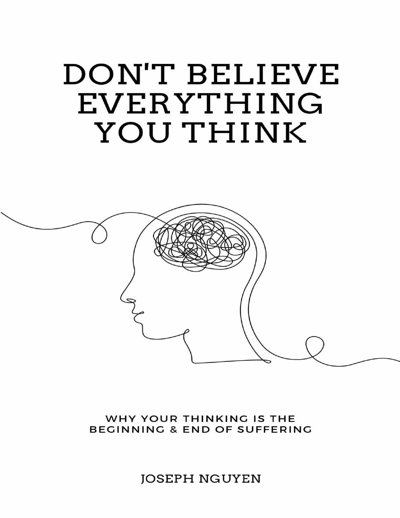
What is Don't Believe Everything You Think about?
Today it's the Don't Believe Everything You Think summary, chapter by chapter, in about ten minutes. This video is spoiler free, which for a self help book just means I'm not going to hide the main idea from you.
Is Don't Believe Everything You Think worth reading?
One genuinely useful idea, the difference between a thought and thinking about the thought, wrapped in repetition, spiritual language and claims bigger than its evidence. Practical exercises are the best part. Three and a half out of five. Read it if: you overthink and want a simple way to name what is happening; you like eckhart tolle or short, gentle spiritual books; you want quick exercises you can try in a minute; you want a calm, kind tone, not hustle culture. Skip it if: you want clinical evidence and studies; you dislike spiritual language about the universe or god; you live with severe anxiety, depression or trauma and want treatment, not a book; repetition irritates you. Review: Don't Believe Everything You Think →
Is there a summary of Don't Believe Everything You Think?
A chapter-by-chapter Don't Believe Everything You Think summary of Joseph Nguyen's book: thoughts versus thinking, the empty boat, the three principles and the guides, plus what holds up. Summary: Don't Believe Everything You Think →
What books are like Don't Believe Everything You Think?
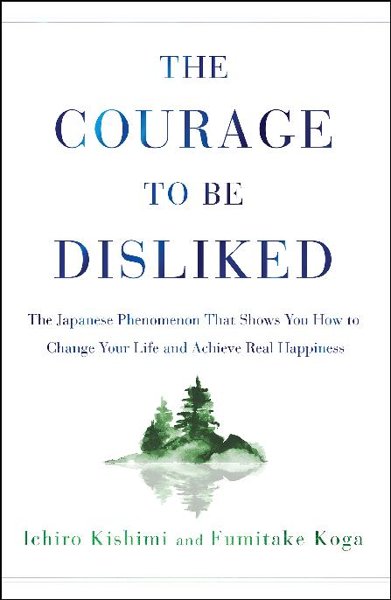
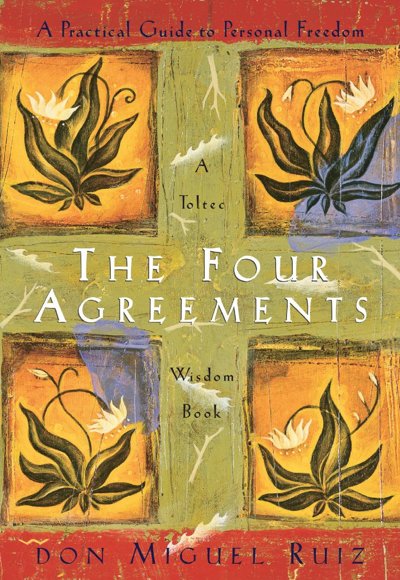
The Power of Now by Eckhart Tolle, The Untethered Soul by Michael A. Singer, The Four Agreements by Don Miguel Ruiz, The Courage to Be Disliked by Ichiro Kishimi and Fumitake Koga, The Happiness Trap by Russ Harris, Feeling Good by David D. Burns. Books like it: Don't Believe Everything You Think →
Who wrote Don't Believe Everything You Think?
Joseph Nguyen, an author and coach. He first published it in 2022 as a short, self-published book, and an expanded edition followed in October 2024.
What is Don't Believe Everything You Think about?
It argues that pain is unavoidable but suffering comes from thinking about your thoughts. Nguyen separates thoughts, which pop up on their own, from thinking, which is engaging with them, and teaches noticing the thinking and letting it settle.
Is Don't Believe Everything You Think based on science?
Mostly no. It is a spiritual self-help teaching built on the Three Principles of Sydney Banks. Some practical ideas resemble techniques used in acceptance-based therapy, but the claims that thinking is the root of all suffering and that thoughts come from the Universe are beliefs, not established findings.
Is Don't Believe Everything You Think a replacement for therapy?
No. It is not therapy or medical advice. If you live with severe anxiety, depression, trauma or thoughts of self-harm, please speak to a doctor or therapist.