The Verdict
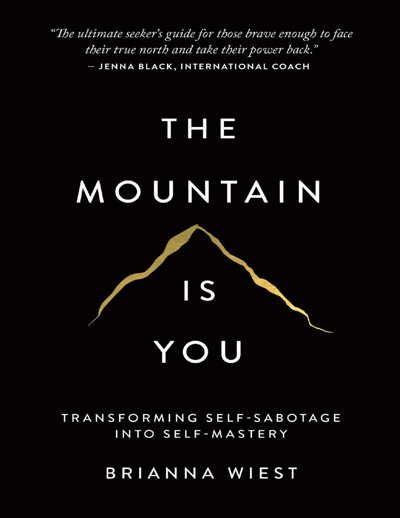
Today I’m reviewing The Mountain Is You, by Brianna Wiest, the self help book about why we get in our own way.
Is it worth reading? For many people, yes. It is clear, compassionate, and full of exercises. It is also repetitive, and some of its science is stretched thin. I give it three and a half out of five. And a quick note: this is a book review, not therapy or medical advice.
What It’s About
Brianna Wiest argues that self sabotage is not laziness or self hatred. It is a behavior that meets an unconscious need, even when it hurts you. To stop it, she says, you have to find the need, process the emotions behind it, and build a new identity.
The book was published in twenty twenty by Thought Catalog Books, and it has an introduction and seven chapters. They move from understanding self sabotage, to your triggers, to emotional intelligence, to letting go of the past, and finally to building a new future.
It is about fifty five thousand words, so it is a short read.
What Works
My first favorite thing is the core reframe. Wiest says the habits you cannot stop are doing a job for you. That is a kind and useful idea, because it replaces shame with curiosity.
My second favorite thing is the chapter on triggers. She treats a strong emotional reaction as a message, not a flaw. It gives you something practical to do the next time you feel upset: ask what the feeling is pointing to.
My third favorite thing is the exercises. There are step by step visualizations and journaling prompts that make the ideas feel usable, instead of only inspirational.
The Ideas That Stick
The idea that will stay with me longest is the difference between controlling your emotions and suppressing them. Suppressing means ignoring a feeling and hoping it goes away. Controlling means feeling it, understanding it, and choosing your response.
The second idea is that you cannot force yourself to let go. Letting go is a process, and it takes time and practice.
Writing And Style
The writing is warm, direct, and written in the second person, so it often feels like a coach talking to you. The tone is poetic at times, with a lot of nature imagery.
What Doesn’t
My first criticism is the repetition. The same few ideas appear again and again, in slightly different words, and the book could be shorter.
My second criticism is the evidence. The book cites research and psychology, but some claims are stated more confidently than the evidence supports. For example, the idea that your body replaces itself completely every seven years is a popular simplification.
My third criticism is that it can oversimplify trauma. The book encourages deep emotional work, but some people need professional support to do it safely, and the book only touches on that.
The Scorecard
Ideas: three and a half out of five. Practicality: four. Evidence: two and a half. Writing: three and a half. Impact: four. That gives an average of three point five out of five.
Who It’s For
Read The Mountain Is You if you feel stuck in patterns you do not understand, or if you want gentle, practical prompts for self reflection.
Skip it if you want rigorous science, or if you are in a crisis. In that case, a licensed professional is a better first step.
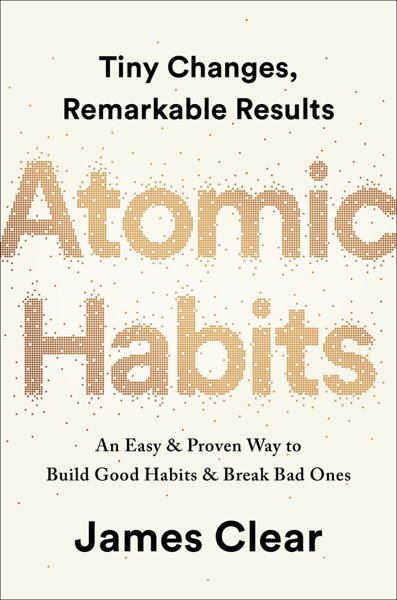
If you enjoyed it, try Atomic Habits by James Clear, The Body Keeps the Score by Bessel van der Kolk, or Man’s Search for Meaning by Viktor Frankl.
Where To Get It
Links to the book are in the description below. Tell me in the comments: what is one pattern you want to understand better? Thanks for watching, and I’ll see you next time.