The Verdict
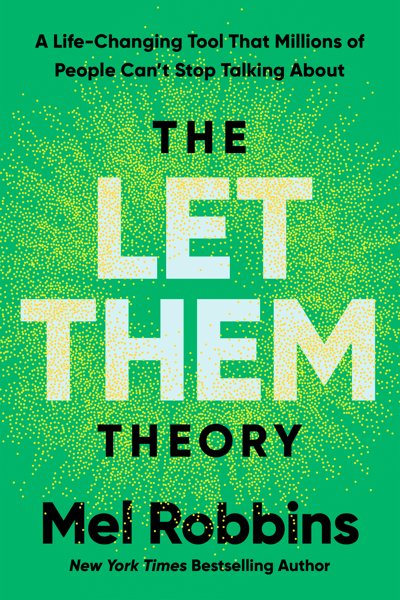
Today I’m reviewing The Let Them Theory, by Mel Robbins. It’s one of the best selling books of the last two years, and those two words are now on mugs, T-shirts, and even tattoos.
My verdict: the idea is genuinely useful, and the friendship chapters are excellent. But it’s one idea stretched across three hundred pages, the science is shaky in places, and some advice could hurt the wrong reader. I give it three and a half out of five.
The Idea
Quick recap. Let Them means you stop trying to control other adults: their opinions, moods and choices. Let Me means you take responsibility for your own next move.
Mel is upfront that this isn’t new. She ties it to Stoicism, Buddhism and radical acceptance. Her pitch is that two words are easier to remember in the moment than a philosophy. And honestly, she’s right.
What Works
First, it’s sticky. When you’re spiraling about a text or a comment, Let Them is the kind of phrase that actually pops into your head.
Second, the friendship section. Mel’s idea that friendships rest on proximity, timing and energy is clear and kind. Her advice to go first, and give a new place a year, is the most practical part of the book.
Third, she’s honest about herself. She admits to jealousy, tantrums and parenting mistakes, so it never feels preachy.
The Guardrails
I also like that Mel builds in warnings. She says Let Them is not an excuse to ghost people, give the silent treatment, or ignore something dangerous.
And she says it only works with Let Me. If the theory is making you lonely or bitter, you’re using it wrong.
What Doesn’t Work
Now the honest part. First, it’s repetitive. The idea is fully explained by chapter two, and the rest applies it to one area after another, with recaps that repeat the chapter.
Second, the science. There are no citations in the text, and some claims are popular simplifications, like seventy thousand thoughts a day, or emotions lasting ninety seconds. One study about how many hours it takes to make a friend is quoted with a different number than the researchers report.
Third, it leans hard on personal responsibility. In the conclusion, Mel says that if you’re not where you want to be, it’s all your fault. Money, health and discrimination are real limits.
Who Should Be Careful
Some advice could be misapplied. If you’re in an abusive relationship, Let Them is not the answer, and the book doesn’t point you to real help.
The chapters on addiction suggest cutting off all financial support and letting people hit rock bottom. Many addiction experts now favor staying engaged. If that’s your situation, talk to a professional first.
The Scorecard
My scores. Usefulness, four out of five. Friendship advice, four and a half. Readability, four. Evidence, two. Originality, two and a half. That averages to about three point four, so three and a half.
Who It’s For
Read it if you’re a people pleaser, if you overthink what others think of you, or if you’ve just moved and feel lonely. It’s also a great audiobook.
Skip it if you’ve already read about Stoicism or The Courage to Be Disliked, or if you want rigorous research.
Where To Go Next
I’ve also made a full summary, a practical guide to using it, and a list of books like it. They’re linked below. Tell me in the comments: has Let Them actually worked for you?