The Short Version
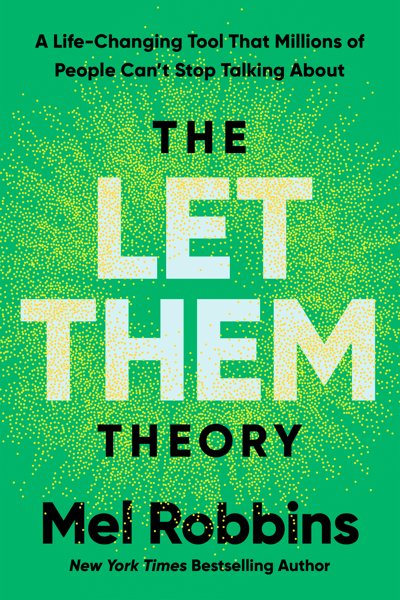
A lot of people quote The Let Them Theory, by Mel Robbins. Fewer people use it well. So here are seven practical lessons from the book, and how to put each one into practice this week.
Quick reminder: Let Them means you stop trying to control other adults. Let Me means you take responsibility for your own next move. You need both.
Lesson One: Say Both Halves
Lesson one: never stop at Let Them. Mel says that on its own, it gives you a jolt of superiority, and then it makes you lonely.
Try it this week. The next time someone annoys you, say Let Them, then finish the sentence: Let Me. Let me take a breath. Let me reply tomorrow. Let me make my own plans.
Lesson Two: The Hour Week Year Test
Lesson two: decide how much something deserves. Mel’s test is simple. Will this bother me in an hour? In a week? In a year?
If the answer is no, let it go. If the answer is yes, it deserves an actual Let Me: a conversation, a decision, or a change.
Lesson Three: Let Them Think It
Lesson three: assume people will think bad thoughts about you, and give them permission. Mel spent two years not posting about her business because she was afraid of what her friends would think.
People who love you will still judge you sometimes. So the question becomes: am I proud of what I’m doing? Let that be your guide.
Lesson Four: The Three Pillars
Lesson four: when a friendship fades, check the three pillars before you blame anyone. Proximity, timing and energy. Did someone move? Did someone have a baby? Did someone stop putting in effort?
Usually, nobody did anything wrong. The pillar you control is energy. So send the text, make the plan.
Lesson Five: Go First
Lesson five: go first. Mel moved to a new town and spent a lonely year waiting for friends to find her. Then she knocked on a neighbor’s door.
Learn the barista’s name. Compliment someone. Start a weekly walk and invite people. And give a new place a full year.
Lesson Six: Influence, Don’t Pressure
Lesson six: you can’t make an adult change, but you can influence them. Pressure creates resistance. Instead, Mel uses the A B C loop.
A: ask open questions and really listen. B: back off and watch their behavior. C: celebrate any progress, while you model the change yourself. Make it look fun, not like a lecture.
Lesson Seven: Support, Don’t Rescue
Lesson seven: support people without rescuing them. Mel’s image is throwing the ball. Support is tossing it to them. Rescuing is running it down the field yourself.
Show up with practical help, like a meal or a clean kitchen, instead of asking how you can help. One caution: if someone is in danger, or struggling with addiction or serious illness, get professional advice before you step back.
When Not To Use It
And a bonus: when not to use Let Them. It’s not a reason to ghost people, give the silent treatment, or put up with abuse or discrimination.
Let Them is for things outside your control. If something is harming you, Let Me means getting help or getting out.
Your Turn
So that’s seven lessons. Pick one and try it this week. My summary and review are linked below. Tell me in the comments: which lesson are you trying first?