The Short Version
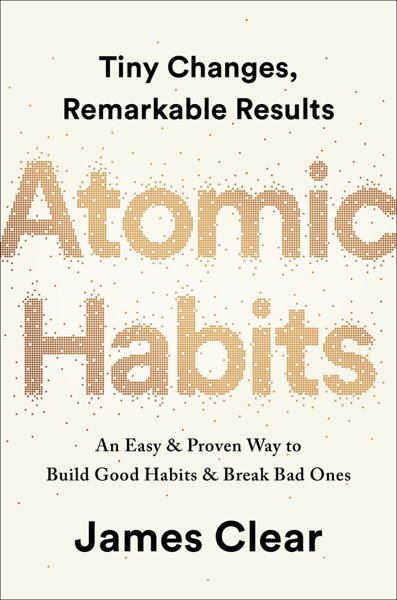
A lot of people finish Atomic Habits feeling inspired, and two weeks later nothing has changed. So today, I’m turning the book into a simple thirty day plan you can actually follow.
The plan has four weeks, one for each of James Clear’s Four Laws. Pick one habit, not five. By the end of the month, you won’t have a new life, but you’ll have a habit that runs on autopilot, and a method you can repeat.
Step Zero: Pick One Habit
Before day one, choose a single habit. Clear’s advice is to start with identity. Don’t say “I want to read twenty books.” Say “I want to be a reader.”
Then shrink the habit with the Two-Minute Rule. Being a reader starts with reading one page. Being a runner starts with putting on your running shoes. It should feel almost too easy. That’s the point. You’re building the habit of showing up, before you build the habit of performing.
Week One: Make It Obvious
Days one to three: fill out a Habits Scorecard. Write down everything you do from waking up to going to bed, and mark each one plus, minus, or equal. No changes yet. You’re just noticing.
Days four to seven: write your implementation intention. “I will read one page at nine p.m. in bed.” Or stack it: “After I brush my teeth at night, I will read one page.” Clear says time and location are the two most common cues.
And change your environment. Put the book on your pillow. Put the running shoes by the door. Make the cue impossible to miss.
Week Two: Make It Attractive
Now make the habit something to look forward to. Try temptation bundling: only listen to your favorite podcast while you walk, or only drink your fancy coffee while you study.
Or try a motivation ritual. Do something you enjoy right before the hard habit, like playing one favorite song before you start working out.
And find your people. Clear says we copy the close, the many and the powerful. Join a running club, a book club, or even an online group where your habit is normal.
Week Three: Make It Easy
This is the week most people need most. Reduce friction for the good habit. Lay out your clothes the night before. Keep healthy snacks at eye level. Put the guitar on a stand instead of in its case.
And add friction to bad habits. Delete apps you waste time on, put your phone in another room, or unplug the TV. Clear calls this priming the environment.
If you want to go further, use a commitment device or automate it. Set your savings to transfer automatically, or copy the writer Nir Eyal, who put an outlet timer on his internet router so it shuts off at night. One choice, many future habits.
Week Four: Make It Satisfying
Last, give yourself an immediate reward, because what is immediately rewarded is repeated. Use a habit tracker: a calendar where you mark an X every day.
Clear tells the story of a stockbroker who moved paper clips from one jar to another with every sales call. Watching the pile grow kept him going. Your X marks do the same thing.
And remember the most important rule in the whole book: never miss twice. One missed day is an accident. Two is the start of a new pattern.
Breaking A Bad Habit
If your goal is to stop something, flip the Four Laws. Make it invisible: remove the cue. Make it unattractive: list the real costs. Make it difficult: add steps. Make it unsatisfying: get an accountability partner, or sign a habit contract with a small penalty.
Clear’s example is an entrepreneur named Bryan Harris, who signed a habit contract with his wife and his personal trainer to lose weight. Public promises raise the cost of quitting.
Three Example Plans
Here are three plans I’d use. For reading: one page in bed, book on the pillow, mark it on a calendar, and read with a friend once a week.
For exercise: shoes on after work, gym bag packed the night before, a playlist you only use while moving, and an X on the wall calendar.
For less phone time: phone charges in the kitchen at nine p.m., social apps moved off the home screen, and a reward of something you enjoy for every phone-free evening.
After Thirty Days
At the end of the month, review. Clear suggests a regular reflection: what went well, what didn’t, and what you learned. If the habit feels automatic, it’s time to scale it up gradually, from one page to five, or from shoes on to a ten minute walk.
Stay in what he calls the Goldilocks zone, a challenge just at the edge of your ability. And expect boredom. Clear says professionals stick to the schedule, and amateurs let life get in the way.
Common Mistakes
Here are the mistakes I see most. Starting too big. Changing five habits at once. Relying on motivation instead of environment. Quitting after one missed day. And measuring the wrong thing, like weight instead of workouts.
Remember the plateau. Results lag behind effort. The ice cube doesn’t melt until thirty two degrees, but every degree counts.
Your Turn
That’s my thirty day plan for Atomic Habits. One habit, four weeks, four laws. Tell me in the comments which habit you’re starting with, and come back in a month to tell me how it went. My full summary and honest review are linked below.