Intro
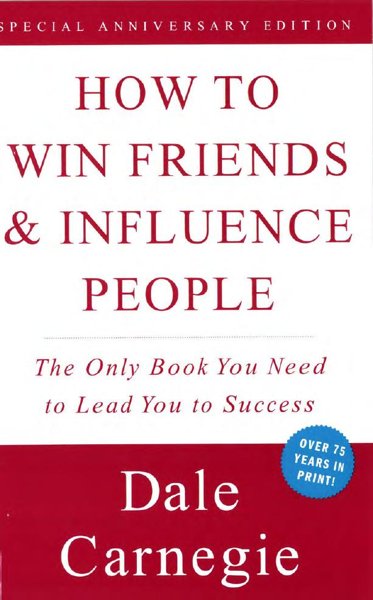
Today I’m summarizing How to Win Friends and Influence People, by Dale Carnegie, in four parts, with all thirty principles.
I’ll put them in plain language, and I’ll flag the ones I think matter most. Let’s get started.
Part One: Handling People
Part one has three principles. Principle one: don’t criticize, condemn, or complain. Carnegie says that criticism puts people on the defensive, and they end up justifying themselves instead of changing.
Principle two: give honest and sincere appreciation. Principle three: arouse in the other person an eager want. In plain words, think about what the other person wants, and show how your idea helps them get it.
Part Two: Make People Like You
Part two has six principles. One: become genuinely interested in other people. Two: smile. Three: remember that a person’s name is the sweetest sound in any language.
Four: be a good listener, and encourage others to talk about themselves. Five: talk in terms of the other person’s interests. Six: make the other person feel important, and do it sincerely.
Part Three: Avoiding Arguments
Part three has twelve principles, and the first six are about not fighting. One: the only way to win an argument is to avoid it. Two: show respect for the other person’s opinions, and never say, you’re wrong.
Three: if you are wrong, admit it quickly and emphatically. Four: begin in a friendly way. Five: get the other person saying yes early. Six: let the other person do most of the talking.
Part Three: Persuading
The next six principles are about persuasion. Seven: let the other person feel that the idea is theirs. Eight: try honestly to see things from their point of view. Nine: be sympathetic to their ideas and desires.
Ten: appeal to the nobler motives. Eleven: dramatize your ideas. Twelve: throw down a challenge.
Part Four: Be A Leader
Part four has nine principles for correcting people without making them resent you. One: begin with praise and honest appreciation. Two: call attention to mistakes indirectly. Three: talk about your own mistakes first.
Four: ask questions instead of giving orders. Five: let the other person save face. Six: praise every improvement, even the slightest one.
Seven: give people a fine reputation to live up to. Eight: use encouragement, and make the fault seem easy to correct. Nine: make the other person happy about doing what you suggest.
The Big Idea
If you strip it all down, the book has one idea. People want to feel important, and the way to influence them is to respect that, with sincere attention and honest appreciation.
Carnegie says again and again that the techniques only work when they are sincere.
Where To Go Next
If you want to try one thing this week, pick principle one of part two, and become genuinely interested in someone. Ask a real question, and listen to the whole answer.
Links to the book are in the description below. Tell me in the comments which principle you will try first, and thanks for watching.