The Short Version
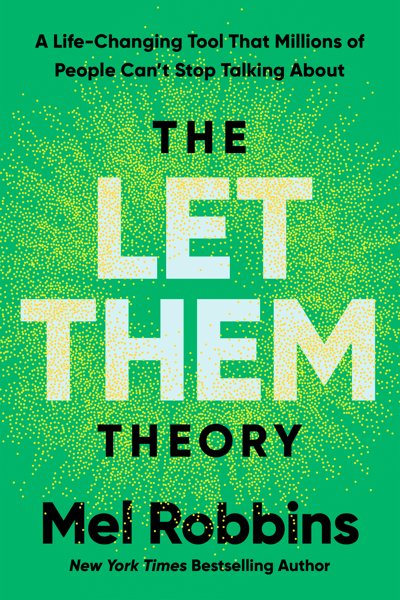
Today it’s The Let Them Theory, by Mel Robbins, the self help book everyone seems to be quoting. Her publisher says it has sold more than eight million copies.
The whole book comes down to two phrases. Let Them, and Let Me. Here’s what they mean, and how Mel applies them to stress, other people’s opinions, friendship, family and love.
Where It Started
It started with a prom. Mel’s son and his friends wanted to go to a tiny taco place in the pouring rain, with no reservation, in tuxedos. Mel was frantically trying to fix it.
Her daughter, Kendall, grabbed her arm and said, if they want to go to a taco bar, let them. It’s their prom, not yours. Mel felt the tension disappear. She posted a short video about it, and it went viral.
Let Them
Let Them means you stop trying to control other adults. Their moods, their opinions, their choices. Mel calls it a fundamental law: everyone wants control, but the only person you can ever control is yourself.
So when a friend doesn’t invite you, a colleague is in a bad mood, or someone judges you, you say Let Them. Not to give up, but to stop wasting energy on things that aren’t yours.
Let Me
But Mel warns that Let Them alone makes you feel superior, and then lonely. The second half is Let Me. It means taking responsibility for what you do next.
Her example: her old friends went on a girls’ trip without her. Let them. Then, let me ask why. She hadn’t invested in those friendships. Her social life was her responsibility. The theory only works if you say both parts.
Stress And Opinions
The first part of the book turns the theory on yourself. Daily stress, like traffic and slow lines, drains your power. Say Let Them, take a breath, and choose how you respond.
Then, other people’s opinions. Mel says people will think bad thoughts about you, even people who love you. Let them. Then let me do what makes me proud.
Emotions And Comparison
Next, other people’s emotional reactions. Mel’s therapist told her most adults are like eight year olds in big bodies. You’re not responsible for managing another adult’s tantrum.
And comparison. If it’s something you can’t change, like your height or your talent, comparing is torture. If it’s something you can build, like a career or fitness, comparison can be your teacher.
Friendship
The strongest section is about adult friendship. After school ends, friend groups scatter. Mel says friendships stand on three pillars: proximity, timing and energy. Most fade for those reasons, not because someone did something wrong.
Her advice: go first. Say hello, learn names, start a weekly walk, and give a new place a full year before you judge it.
Changing Other People
Then, how to change other people. Short answer: you can’t. Adults change when they feel like it, and pressure creates resistance.
But you can influence them. Model the change, make it look fun, and use what Mel calls the A B C loop. Ask questions, back off, and celebrate their progress.
Helping And Love
When someone is struggling, Mel says the more you rescue, the more they sink. Support them, but don’t do the work for them. And give money only with conditions.
In love, let them show you who they are. Mixed signals mean they’re not interested. And if a partner never changes, decide if you can live with it, or end it.
The Big Takeaway
The book ends with a simple idea: this book isn’t really about other people. It’s about you. You can’t control the weather, but you can bring an umbrella.
Let Them is about freedom from other people. Let Me is about responsibility for yourself. My review and a practical guide to using it are linked below.