Intro
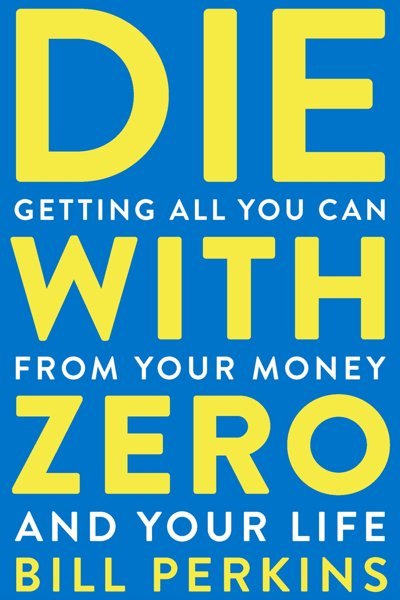
After the review and the summary, here is a practical video: six ways to use the ideas in Die With Zero, plus two things to be careful about. Some of these come straight from the book, and some are my own spin.
As always, I’m not a financial advisor. This is about habits and questions, not about telling you what to do with your money.
Count Your Life Energy
First, count your life energy. The book asks you to think of money as the hours of your life that you traded for it. Before a big purchase, ask how many hours of work it costs.
That question can make you spend less on things that do not matter, and feel better about spending on things that do.
Build A Time Bucket List
Second, build a time bucket list. Make a column for each decade of your life, and write down the experiences that fit each one. Some belong in your thirties, like a hard hike. Others belong in your seventies, like a quiet trip with grandchildren.
The point is to see which experiences have a window, and to schedule them before the window closes.
Start A Memory Fund
Third, start a memory fund. This one is my own spin. Set aside a small amount each month for experiences, in the same way that you would for retirement.
This turns spending on an experience from a guilty impulse into a plan. The book’s name for the payoff is a memory dividend, and you collect it every time you remember the trip.
Give While It Matters
Fourth, think about giving earlier. If you plan to leave money to your children, ask whether a smaller gift in their late twenties or thirties could help more than a large one decades later.
Even a modest gift, at the right moment, can matter more than a large one that arrives too late.
Do Not Skip The Basics
Fifth, do not skip the basics. Die With Zero is not a reason to ignore emergency savings, insurance, or retirement. The book’s rules assume that you already have a safety net.
Make It Personal
Sixth, make it personal. The nine rules are a starting point, not a script. Your age, health, family, and values will change what the right balance looks like.
Two Cautions
Now the two cautions. First, the book is written for people who have enough money, health, and time to make real choices. If that is not you yet, the first step may be building security.
Second, nobody knows how long they will live, so aiming for zero is risky. If you are worried about running out, the annuity idea in the book, and a conversation with a real planner, are worth considering.
Where To Start
If you try only one thing, make the time bucket list. It takes twenty minutes, and it will tell you a lot.
Links to the book are in the description below. Tell me in the comments which experience you will not put off, and thanks for watching.