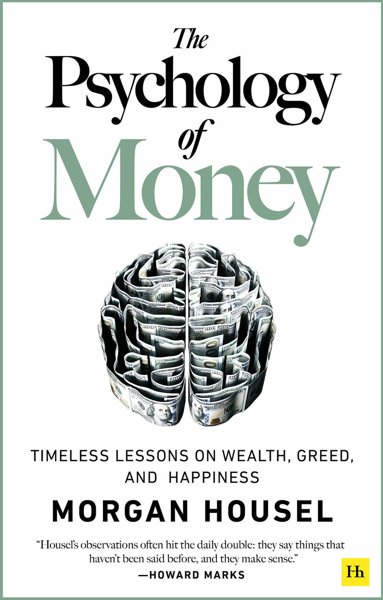
What is The Psychology of Money about?
The Psychology of Money came out in twenty twenty. Morgan Housel is a financial writer who started covering money in two thousand eight, in the middle of the financial crisis. He also explains that he paid his way through college working as a valet at a Los Angeles hotel, which turns out to matter later.
Is The Psychology of Money worth reading?
Warm, quick and endlessly quotable, with the best chapters on luck, compounding and enough in personal finance, held back by a lack of step by step advice, anecdote heavy evidence and a US focus. Four and a half out of five. Read it if: money feels confusing or stressful; you like stories more than spreadsheets; you already invest and want to understand your own reactions. Skip it if: you want budgets, tax tips or investing instructions; you need rigorous studies on every page; you want a book that is not centered on the united states. Review: The Psychology of Money →
Is there a summary of The Psychology of Money?
A chapter by chapter summary of The Psychology of Money by Morgan Housel: luck and risk, enough, compounding, tails, freedom, room for error and fees not fines. A book summary, not financial advice. Summary: The Psychology of Money →
What books are like The Psychology of Money?
The Millionaire Next Door by Thomas J. Stanley and William D. Danko, The Intelligent Investor by Benjamin Graham, The Little Book of Common Sense Investing by John C. Bogle, The Simple Path to Wealth by J. L. Collins, Fooled by Randomness by Nassim Nicholas Taleb, Thinking, Fast and Slow by Daniel Kahneman. Books like it: The Psychology of Money →
What is The Psychology of Money about?
Morgan Housel argues that doing well with money has a little to do with intelligence and a lot to do with behavior. He makes the case through twenty short chapters on luck and risk, compounding, saving, room for error, bubbles and more.
Who was Ronald Read?
A gas station mechanic and janitor who died in 2014 at age 92. The book says he left more than eight million dollars, built from steady saving and blue chip stocks, with millions going to his stepchildren, a hospital and a library.
How long is The Psychology of Money?
About fifty thousand words: an introduction, twenty short chapters and a postscript on the American consumer. Each chapter makes one point through a story and stands alone, so you can read them in any order.
Is The Psychology of Money financial advice?
No. Housel says he cannot tell you what to do with your money because he does not know you, and our videos are book reviews, not personal financial advice.