Intro
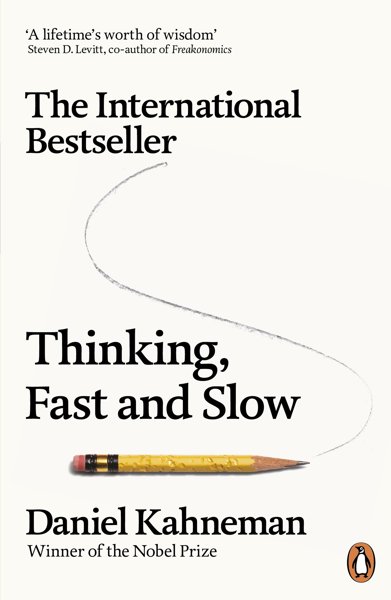
After the review and the summary, here are six practical habits from Thinking, Fast and Slow, by Daniel Kahneman, and one caution about how far they can take you. Some come straight from the book, and some are my own spin.
Slow Down For Big Decisions
First, slow down for big decisions. Your quick intuition is fine for everyday things, but for large choices, give your slow system a chance. Sleep on it, and write down your reasons.
Ask What Is Missing
Second, ask what is missing. The book calls it what you see is all there is. Your mind builds a story from the facts in front of you, so ask what you do not know, and who you have not asked.
Watch For Anchors
Third, watch for anchors. The first number you hear, whether it is a price, a salary, or an estimate, pulls everything toward it. Before a negotiation, decide your own number first.
Use The Outside View
Fourth, use the outside view. When you plan a project, ask how long similar projects actually took, and how many failed. Then adjust your plan, before the plan adjusts you.
Frame It Both Ways
Fifth, frame it both ways. Losses feel bigger than gains, so a choice described as a loss can seem worse than the same choice described as a gain. Try restating a decision both ways, and see if your answer changes.
Be Kind To Your Memory
Sixth, be skeptical of how you remember. The book shows that we judge experiences by their peak and their end. Keep notes during important events, so your memory does not edit the story.
One Caution
Now one caution. Kahneman is honest that knowing about biases does not make you immune. Habits and checklists help more than good intentions.
It is also worth remembering that some studies in the book have been challenged since. Treat these habits as sensible rules of thumb, not as proven laws.
Where To Start
If you try only one habit, make it the outside view. Next time you make a plan, look up how similar plans went.
Links to the book are in the description below. Tell me in the comments which habit you will try first, and thanks for watching.