The Verdict
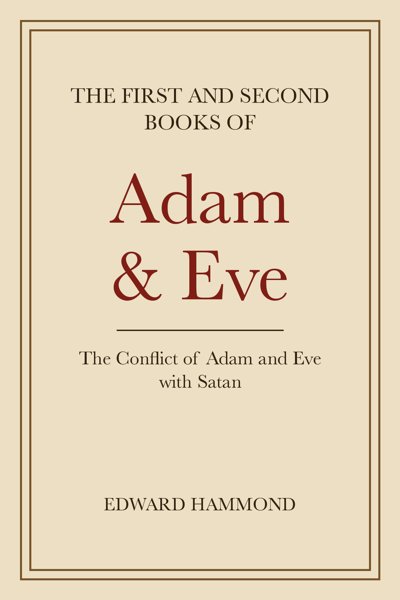
Today’s book is very old and very strange. It’s The First and Second Books of Adam and Eve, also called The Conflict of Adam and Eve with Satan, in a modern English version by Edward Hammond.
My verdict: read it if you’re curious about what ancient Christians imagined happened after Eden. It’s vivid, surprising, and often moving. But it’s repetitive, and it’s not scripture. I give it three and a half out of five.
What It Is
This is an ancient Christian text from around the sixth century. It survives in Ge’ez, the old church language of Ethiopia, and scholars think it was translated from an Arabic version of an earlier Syriac work.
It’s not part of the Bible. Scholars call books like this pseudepigrapha. Think of it as a long, devotional retelling, filling in the gaps around Genesis.
The Story
The first book begins the moment Adam and Eve leave the garden. They move into a cave, called the Cave of Treasures, and they’re terrified of everything: the dark, the sun, the animals, even food.
The second book follows their descendants, from Seth down to Noah, and a slow slide into sin before the Flood.
Satan In Disguise
The book’s big idea is right there in its other title: the conflict with Satan. He keeps coming back, again and again, in disguise.
He appears as an angel of light, as an old man, as a beautiful woman, even as Adam’s own ancestors. Every time, Adam and Eve have to figure out what’s real, and every time, they pray and God sends help.
What Works
First, the emotion. Adam and Eve’s grief for the garden is raw and human. They cry, they despair, and they nearly give up more than once.
Second, the imagination. There’s a first sunrise they mistake for fire, gifts of gold, incense and myrrh from the garden, and a promise of rescue after five and a half days.
Third, the connections. The book links Adam to the Christian story at every turn, right down to where his body will rest.
What Doesn’t
Now the honest part. First, it’s repetitive. Satan appears, Adam prays, an angel explains. That pattern repeats many times, and the middle drags.
Second, the long speeches. Characters explain things at great length, and much of the dialogue sounds like a sermon.
Third, some parts are hard to read today, from its ideas about women and desire, to a passage about skin color in the very first chapter.
Content Notes
There’s a brutal murder, a suicide attempt, violence, and some frank talk about sex and sin, but nothing graphic for long.
The Scorecard
My scores. Imagination, five out of five. Emotion, four. Historical interest, four and a half. Readability, two and a half. Pacing, two. That averages to three and a half.
Who It’s For
Read it if you love ancient texts, if you’re curious about the lost books of the Bible, or if you’ve always wondered what came after Eden.
Skip it if you want a fast story, or if you’re looking for scripture rather than legend.
Where To Go Next
I’ve also made a full summary of both books, and a fact check on where this text really comes from and how it differs from Genesis. They’re linked below. Tell me in the comments: had you ever heard of this book?