The Verdict
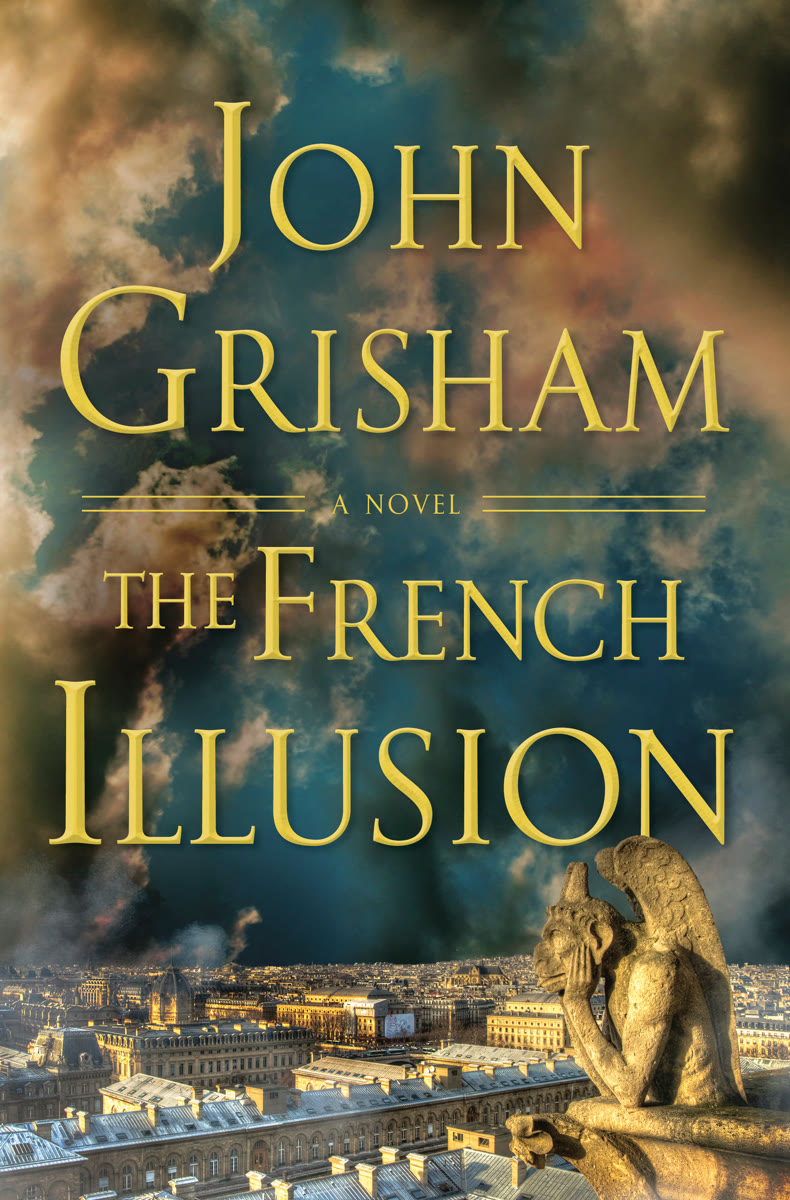
Hello, hello. It’s The French Illusion, out from Doubleday in September twenty twenty-six, and it opens with a honeymoon that goes terribly, terribly wrong.
So, is it worth your time? Here’s the short answer. If you want a fast, twisty thriller with an absolutely gripping first act, yes. If you want deep characters, careful plotting, or subtle prose, you may be let down. I’d give it three and a half out of five, and I’ll tell you exactly why.
The Setup
Paul Tanner is thirty-three, a Naval Academy graduate and a lawyer at the Justice Department. Chelsea Clayburn is his new bride, a young woman who posts everything on Instagram. It’s April twenty sixteen, and after their wedding in Annapolis, they fly to Paris for their honeymoon.
On day six they hire a driver for a day trip to the Normandy beaches. At a stop near Bayeux, their regular driver is drugged. A friendly replacement takes the wheel. And just like that, the couple vanish.
Back home, two families get an email. The kidnappers want two million dollars from each family. No police. No FBI. Pay, or the honeymooners die.
A Different Kind Of Grisham
Here’s what makes this book unusual. Grisham is the king of the legal thriller, from The Firm to A Time to Kill. But he has said for years that he loves spy fiction, and he names John le Carré, Ken Follett, Robert Ludlum, and Len Deighton as favorites. This is his first real attempt at international espionage.
You can feel the ambition. The story jumps between Paris, Washington, rural Virginia, and a hidden camp in the North African desert. You get FBI agents, CIA officers, French intelligence, and a gang that seems to know everything. There’s even a small le Carré reference tucked inside.
The Structure
The novel has three parts. Part one, The Honeymoon, is the abduction and the first ransom. Part two, The Search, follows the families and the agencies as they try to understand a pattern nobody wants to admit. Part three, The Illusion, is where the book changes shape, and I won’t say how.
I will say this. The second half is a very different book from the first. Some readers will love the swerve. Others will feel two separate novels have been bolted together.
The Families
The best scenes aren’t in Paris at all. They’re in the living rooms back in Virginia. Lowell Clayburn, an orthopedic surgeon, flies to France alone to wait for instructions from text messages. His son Sam calmly buys burner phones. On the Tanner side, Fritz and Linzy sell their house in Old Town Alexandria and lease it back, just to raise two million dollars before a deadline.
Then comes the cruelest twist of the opening. Chelsea is freed after her family pays. Paul is not. His family pays too, and he still doesn’t come home. Chelsea refuses to leave France without him. That choice, and the guilt behind it, gives the first act real emotional weight.
The Investigation
When the FBI finally gets involved, the book gets its hook. This isn’t the first time. Two other men, both former military lawyers, were taken the same way in recent years. Each bride was released after a payment. Each groom was kept. Agents have never seen anything like it, and the case is quietly handed up to the CIA.
I enjoyed this stretch because it reads like a puzzle. You learn how the money was moved through banks in several countries, how the kidnappers use video proof of life, and how the agencies argue over who gets to decide. It is the part of the book that feels most like the spy novels Grisham says he admires.
The Villain
The captor’s story is the most interesting thing in the book. Without spoiling anything, the person behind the camp has a real grievance, rooted in years of detention without trial, and the novel lets him explain it. Grisham doesn’t excuse the crimes, but he does force you to sit with the question of how the world created him. It is also the reason the book works as more than a chase.
What Works
First, the opening. The first hundred pages are the best thing here. The kidnapping is staged like a magic trick, the families are forced to make impossible choices in a matter of days, and the clock never stops ticking.
Second, the money. I loved how practical the ransom plot is. A father sells the family home, parents cash out retirement accounts, relatives lend what they can. It makes the stakes feel painfully human, not just political.
Third, the social media angle. Chelsea shares her whole itinerary online, and the book makes a sharp point: the kidnappers barely have to follow the couple. They just read the feed.
And fourth, the pace. The chapters are short and end on hooks. It’s easy to finish in a weekend.
What Doesn’t Work
Now the honest part. The prose is plain, and emotions are often told rather than shown. Some family dialogue feels stiff.
The characters are also thin. The two families are sympathetic, but they blur together, and the leads are likable rather than memorable.
And then there’s plausibility. The big plan at the heart of the book asks you to believe a lot, and the more you think about it, the more questions pile up. Several reviewers say the later chapters strain belief, and I agree. If you enjoy picking plots apart, you’ll have a field day.
Content Notes
Be aware that the book contains detailed scenes of imprisonment and torture, including waterboarding, beatings, and confinement in a cage. There is violence, a couple of deaths, and some brief adult scenes that are not graphic. It also touches real politics: the war on terror, detention without charge, and how governments treat prisoners.
How It Compares
If you’re coming from Grisham’s courtroom books, expect less talking and more chasing. If you’re coming from le Carré, expect much less subtlety and much more speed. Think of it as a summer blockbuster rather than a slow-burn classic.
It’s also short, about three hundred fifty pages. That helps the pace, but some big ideas get less room than they deserve.
The Scorecard
Here are my numbers. Plot, four out of five. Pacing, four. Originality, four. Characters, three. Prose, three. That works out to three point six, so my overall score is three and a half.
Who Should Read It
Read it if you want a page-turning thriller with a killer hook. Read it if you like Grisham and want to see him try something new. Read it if you’re curious about how security agencies cooperate and clash.
Skip it if you need rich writing, deep characters, or tight plotting. And skip it if torture scenes are a dealbreaker for you.
Where To Go Next
If you’ve finished the book, my ending explained video is linked here, along with a fact check on the real history behind the story. Tell me in the comments: do you want more Grisham spy novels, or should he go back to the courtroom?