Is It Worth It
This review has no spoilers.
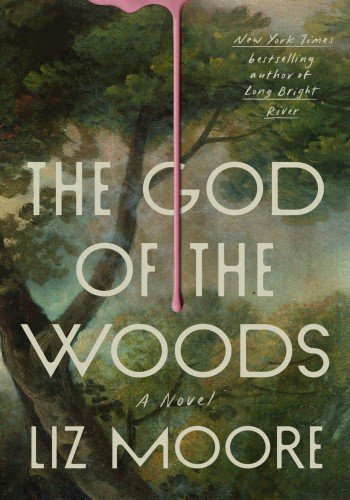
Here’s the hook. In August of nineteen seventy-five, a thirteen year old girl vanishes from a summer camp on her family’s private estate in the Adirondacks. Fourteen years earlier, her older brother vanished from the same land. My verdict: it is a smart, atmospheric, slow burn mystery with a huge cast, and I give it four out of five. Read it if you like patient puzzles. Skip it if you want a fast thriller.
What It’s About
The Van Laars are a wealthy banking family from Albany. Their summer estate holds a camp, Camp Emerson, where rich families send their kids. This summer, their daughter Barbara, thirteen, a black clad, defiant girl, goes to camp for the first time. On the morning after a dance, her bunk is empty.
The book follows the search through a cast that includes her counselor Louise, her shy bunkmate Tracy, her mother Alice, and a young state investigator named Judy. It runs roughly one hundred twenty-five thousand words in about ninety-six short chapters. It was published in twenty twenty-four by Riverhead. Moore is also the author of Long Bright River, Heft and The Unseen World.
What Works: The Place
First strength: the setting. Liz Moore makes the Adirondack woods a character. The camp has three rules, and the most important is printed in capital letters: when lost, sit down and yell. The campers joke about it, and then the book makes you feel why it matters.
You get blackflies, balsam firs, canoes, a fire tower, a lake with a loon on it. You also get the class divide: wealthy families on the hill, local people in the town below, doing the work. The place feels lived in, and it makes the mystery feel physical.
The era is just as vivid. Louise loves Led Zeppelin, Tracy sings an Ian and Sylvia song with a boy on a porch, and Barbara reads Creem magazine and talks about a music most of the campers haven’t heard yet. The nineteen seventies come through in the details, not in a costume parade.
What Works: The Puzzle
Second strength: it plays fair as a mystery. The disappearance has many suspects, and the book gives you every one a real reason. There’s the boyfriend, the counselors, an escaped convict, and the family itself.
The structure helps. Every chapter header lists dates from the nineteen fifties to nineteen seventy-five, and each chapter drops a piece of an older story into the present one. By the end, some details you skimmed past turn out to be doors. I won’t tell you which. I will say that the final act reframes more than I expected, and I loved the reread feeling it gives.
What Works: The People
Third strength: the people. Judy, the investigator, is a standout. In nineteen seventy-five she is one of the first women in her job, and the men around her call her honey, brush her off, and send her to interview the minor players. She keeps noticing things anyway.
Louise, the counselor, is a young woman trying to escape a hard town, and she makes a bad choice in the first chapter that haunts her. Alice, the mother, is a portrait of grief and medication. And Tracy is the shy girl I would have been at twelve. They feel like individuals, not suspects.
And the friendship at the center of the camp scenes is tender and awkward in exactly the right way. Tracy is so shy she scripts her questions in a journal. Barbara notices her anyway. Watching two lonely girls find each other is the emotional heart of the book, and it makes the mystery hurt.
The Title And The Ideas
The title comes from Pan, the Greek god of the woods. In a survival class early in the book, the camp director explains that the word panic comes from him. Pan tricked travelers until they lost their bearings. To panic, she says, is to make an enemy of the forest.
That idea runs through the whole novel. It is about being lost, and about who gets help and who gets blamed. It asks who is believed, whose child gets searched for, and whose mistakes get forgiven. The answers depend on money, and Moore never lets the reader forget it. That is where the book stops being a puzzle and becomes something larger.
The Structure
Let’s talk about how it is built, because it’s the book’s biggest choice. There are eight narrators, and they don’t share a timeline. Judy tells you the present, Alice drifts back to nineteen sixty-one, Carl takes you back to the summer of nineteen sixty-one, and Tracy gives you the cabin.
If you like to piece together timelines, it’s a treat. If you read on the bus in short bursts, you may need a pencil. The chapters are short, and the book always tells you who is narrating, which helps. Expect to reread a few names in the first hundred pages.
Writing And Pace
The prose is clear, confident and observant, and often funny about adolescence. The camp scenes are the best: whispered ghost stories, crushes, a boy with a guitar, a girl who can finally sing. It reads like literary fiction with a mystery engine. Sentences are precise, and Moore can capture a whole family dynamic in a single dinner scene. She also lets scenes breathe, which I loved, even if it slows the plot.
The pace is deliberate. The first act sets up a lot of people, and the middle takes its time. There are chapters where a character thinks through their whole life while the clock is ticking. If you want a rapid fire thriller, this will test your patience. If you like a slow tightening, it rewards you.
What Doesn’t Work
Now the criticisms, and these are my opinions. First, the length. At ninety-six chapters, a few feel like they restate what we already know, and the middle sags. A tighter edit would sharpen it.
Second, the cast is so big that a few secondary characters blur into types, like the rich campers and some of the guests at the party. Third, the investigators sometimes explain the clues out loud so the reader doesn’t miss them. And finally, a couple of coincidences ask for a bit of faith. None of these ruined the book for me, but they cost it a star. I also think the opening chapters ask a lot, because you meet four or five new people before the story catches fire. Stay with it. The payoff is worth the patience, and the second half moves much faster than the first.
Content Notes
Here are the content notes, kept spoiler free. The book involves missing children and the loss of a child. It includes an escaped serial killer, and references to sexual violence, including crimes against minors. There is domestic violence against a young woman, heavy drinking, pill dependence and cocaine use.
A mother criticizes her daughter’s body, and teenagers experiment with alcohol and sex. A character is sent away for psychiatric treatment. Most of it is handled without graphic detail, but it is heavy. If a missing child story is hard for you right now, pick something else.
The Scorecard
Time for the scores. Atmosphere gets four and a half. The Adirondack setting is the best part of the book. Mystery gets four: the plotting is fair, intricate and rewarding. Characters get four and a half for their depth and variety.
Pacing gets three. The slow middle and big cast are real obstacles. And payoff gets four: the ending is satisfying and surprising, though I wish it arrived sooner. That averages out to four out of five, and I would happily recommend it with the right warnings.
Who It’s For
Read it if you like slow burn mysteries with a strong sense of place. Read it if you enjoy books with multiple timelines, and if you liked Long Bright River or In the Woods. Read it if you love the nineteen seventies, summer camp stories and class politics.
Skip it if you want a quick page turner, if missing children are a hard topic for you, or if big casts frustrate you. And if you read slowly, give yourself the weeks it deserves. It would also make a rich book club pick, because there is plenty to argue about.
Books Like It
If you finish and want more, here are three. First, Long Bright River by Liz Moore, from twenty twenty. A Philadelphia patrol officer searches for her missing sister in the middle of the opioid crisis. It is best if you want more Liz Moore.
Second, In the Woods by Tana French, from two thousand seven. A Dublin detective investigates a girl’s death in woods where he lost two childhood friends. It is best if you like a haunted detective. And third, The Dry by Jane Harper, from twenty sixteen. An Australian investigator returns to his drought stricken hometown and reopens an old death. It is best if you love a vivid, unforgiving setting.
The Netflix Series
One more thing. As of October twenty twenty-six, Netflix is adapting the novel as a series, reported to run eight episodes. Maya Hawke and Kerry Condon are reported in the cast, and Liz Moore is reported to be a co-showrunner. Netflix’s own site says filming started in June.
There is no release date yet. If you want to read before you watch, you have time. Tell me in the comments who you would cast as Judy, and where you’d start the show.
Where To Get It
You can find the book in hardcover, paperback and audio, and the links are on the page for The God of the Woods on bookexplained.com. If you want the whole plot afterward, my summary and ending explained video has the full spoilers.
Tell me in the comments what you thought, and what I should review next. Thanks for watching, and happy reading.