The Verdict
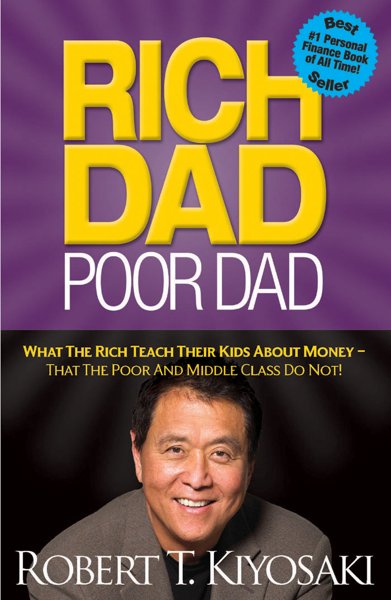
Today we’re talking about Rich Dad Poor Dad by Robert Kiyosaki, the money book that has reportedly sold more than thirty two million copies, as of October twenty twenty six.
My verdict: it’s a fast, motivating read with a couple of genuinely useful ideas, wrapped in a lot of claims you shouldn’t take on faith. I give it three and a half out of five.
One thing before we start. This is a book review, not financial advice, and I’ll say more about that in a minute. There’s no plot to spoil, so I can be fully honest about what holds up and what doesn’t.
What It’s About
Rich Dad Poor Dad is a personal finance book dressed up as a story. Robert grows up in Hawaii in the nineteen fifties with two father figures. His real dad is highly educated and works for the government. His best friend Mike’s dad never finished school, and builds a business empire.
Robert calls them Poor Dad and Rich Dad. Poor Dad says study hard and find a safe job. Rich Dad says learn how money works, and make it work for you. Robert says the lessons were drilled into him over thirty years.
The book was self published in nineteen ninety seven, and a big publisher picked it up in the year two thousand. It’s short: an introduction, six lessons, and a few chapters on getting started.
A Quick Disclaimer
Let’s get this out of the way. I’m a book reviewer, not a financial advisor. This video is my opinion about a book, and it is not financial advice. Nothing here is a recommendation to buy, sell, or invest in anything.
Kiyosaki’s examples lean on real estate deals, debt and risk. They may not fit your situation, your country, or your tax rules, and I don’t know your finances. For decisions about your own money, please talk to a licensed professional.
What Works
First, the teaching story. At nine years old, Robert works at Rich Dad’s store for ten cents an hour, then for nothing. Later, Rich Dad keeps raising a test offer, all the way to five dollars an hour, to see whether the boys will cave. It’s a vivid scene about how fear and desire push people around, and it’s the part I remember most.
Second, the simple rule. An asset puts money in your pocket, and a liability takes money out. It’s easy to remember, and it makes you look at where your cash actually goes every month, instead of just at your paycheck.
Third, the mindset swap. Instead of saying, I can’t afford it, you ask, how can I afford it? That doesn’t mean buy everything you want. It means your brain starts working on the problem instead of shrugging. And I like his point that schools rarely teach money at all, so most of us pick it up from our parents, for better or worse.
The Six Lessons
The six lessons are the spine of the book. Lesson one: the rich don’t work for money. Lesson two: it’s not how much you make, it’s how much you keep. Lesson three: mind your own business, which means build your own assets, not just a career.
Lesson four covers taxes and corporations. Lesson five says the rich invent money, with boldness and creativity. Lesson six says work to learn, not just to earn, so you pick up a wide range of skills.
Then come chapters on obstacles, which he lists as fear, cynicism, laziness, bad habits and arrogance, plus ten steps and a to do list for getting started. Notice that most of it is about attitude and habits, not about specific products to buy.
Writing And Pacing
The writing is plain, chatty and quick. Short chapters, big headline claims, and lots of rich versus poor contrasts. You can finish it in a weekend, and the first half, with the Hawaii story, moves best.
Later it turns into lists, steps and pep talks, with chapters that circle back to the same few ideas. My copy even ends with preview chapters from a follow up book, which feels more like a sales page than a conclusion.
The black and white framing, rich people do this, poor people do that, makes it punchy. But it also flattens a lot of real life, where plenty of people are doing their best with very little room to move.
What Doesn’t Work
Here’s what bugged me. First, it’s thin on how. Kiyosaki tells you to buy assets and make offers, but gives few sources, and little on how to protect yourself when a deal goes wrong.
Second, risk. In the chapter on fear, Rich Dad’s advice is, “If you’re going to go broke, go big.” That’s a fun line, but it’s not a plan, and I wouldn’t want anyone treating it like one.
Third, big claims stated as facts. He says the rich aren’t really taxed, and that your house is a liability. The book even admits most accountants and financial professionals disagree with his definitions. Tax rules vary by country and change over time, so treat these as opinions to check, not rules.
Does It Hold Up
So does it hold up? Some of it does. Learning how money works, watching your spending when your income rises, and paying attention to cash flow are all sensible ideas, and they’re not unique to this book.
The house argument is more debatable. His cash flow view has a point: a home comes with a mortgage, taxes and repairs. But many financial planners would say a home can also save you rent and build equity over time. To be fair, the book itself says it isn’t telling you never to buy a house.
And the success stories, like turning a small down payment into rental income, come from real estate markets decades ago, told by the author with no outside checking. They’re anecdotes, not evidence, and a lot has changed in lending, taxes and housing since then.
The Rich Dad Question
The biggest criticism is about Rich Dad himself. The real estate writer John T. Reed, in a long critique, argues that the character may not be a real person. Slate, in two thousand two, described the book as fable like, and Smart Money, in two thousand three, noted that Kiyosaki avoided naming him for years.
Kiyosaki’s fans point to a two thousand nine Honolulu Advertiser obituary for a Hawaii hotel developer named Richard Kimi. That link is reported by secondary sources, and I couldn’t verify it myself.
My take: the dialogue from when Robert was nine is clearly reconstructed, so treat it as a parable. The lessons stand or fall on their own. But a book that presents itself as true should be upfront about what’s dramatized.
The Other Criticisms
Critics also question the advice itself. Reed has called it bad financial advice, and Slate pointed out how often the book plugs Kiyosaki’s own courses, tapes and board game. If you see it as a funnel into seminars, that’s a fair concern.
There’s also the business record. In twenty twelve, Rich Global, a company tied to his brand, filed for bankruptcy after a court ordered it to pay about twenty three point seven million dollars to The Learning Annex, according to ABC News. Reports say Kiyosaki himself was not personally bankrupt.
None of that automatically makes the ideas wrong, because a company’s troubles don’t tell us whether a point about cash flow is true. But it’s fair context for how much weight to give any money guru, and why I’d check claims elsewhere.
Fair Counterpoints
To be fair to Kiyosaki, he says up front that the lessons are guideposts, not answers. And plenty of people say this book was their first spark of interest in money. That’s valuable.
Reed’s critique is famously harsh, and defenders say it nitpicks. I think the central pitch, that financial education matters and most of us were never taught it, holds up no matter which details you doubt.
So my takeaway is a general one. Enjoy it for motivation and vocabulary, then check any specific claim against independent sources, ideally ones with no courses to sell. That’s a reading tip, not personal financial advice.
The Scorecard
Time for the scorecard, and these are my opinions. Big ideas, four out of five. Readability, four and a half. Practical value, three. Evidence, two. Influence, four. That averages out to three and a half.
Evidence is low because of the unsourced claims and the anecdotes that stand in for data. Influence is high because this book changed how millions of people talk about money. You might weigh those differently, and that’s fine.
Who It’s For
Read it if you’re new to money and want a jolt of motivation, if you’ve never thought about cash flow, or if you like short, punchy books with a strong point of view.
Skip it if you want a step by step investing manual, if you need every claim sourced, or if seminar pitches make you roll your eyes. It’s a conversation starter, not a textbook.
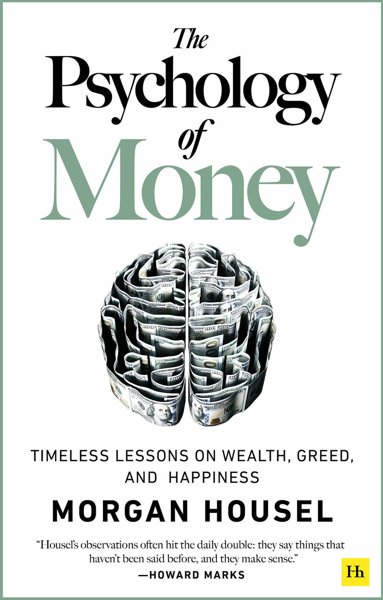
For something more grounded, try The Psychology of Money by Morgan Housel, The Millionaire Next Door by Thomas Stanley and William Danko, The Little Book of Common Sense Investing by John Bogle, or The Richest Man in Babylon by George Clason.
Where To Get It
You can find Rich Dad Poor Dad at most libraries and bookstores, and as an audiobook, so you don’t have to buy it to judge it for yourself. I’ll leave links below. And one last time: this was a book review, not financial advice.
Tell me in the comments: what’s the first money lesson you ever learned, and who taught it to you? If you like honest book breakdowns, subscribe, and I’ll see you in the next one.