The Verdict
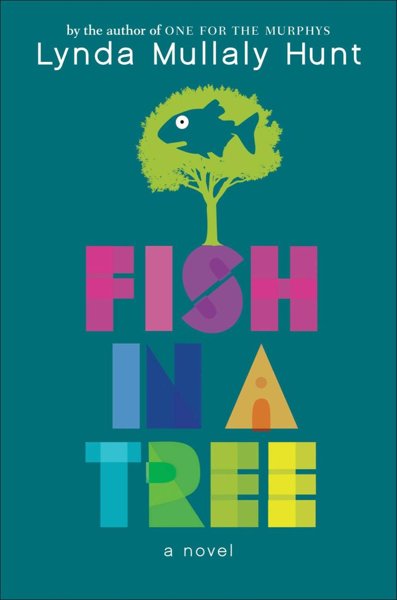
Today’s book is a middle grade favorite in a lot of classrooms: Fish in a Tree, by Lynda Mullaly Hunt, published in twenty fifteen. It’s about a sixth grader named Ally who has been hiding a secret: she can’t read.
My verdict: yes, read it, at any age. It’s warm, funny and genuinely moving, and it might be the best book I know for helping kids understand dyslexia. The bully is a bit one-note and the ending is very tidy, but I give it four and a half out of five.
What It’s About
Ally Nickerson has been to seven schools in seven years. Her dad is in the army and deployed, her mom works long shifts as a waitress, and her big brother Travis fixes cars.
At school, Ally gets sent to the office a lot. She jokes, acts out, and fakes injuries to avoid writing, because the letters on the page dance and blur, and she’d rather be seen as a troublemaker than as dumb. Then a new teacher arrives, Mr. Daniels, and he starts to notice what nobody else has.
The Book At A Glance
It’s written in first person, present tense, in Ally’s voice, across fifty one short chapters. The reading level is easy, so it works for kids around ten and up, but adults read it too, especially teachers and parents.
The title comes from a saying Mr. Daniels shares: if you judge a fish on its ability to climb a tree, it will spend its whole life thinking it’s stupid.
What Works
First, Ally’s voice. She’s funny without trying to be. She describes “mind movies,” the vivid pictures her imagination plays, and she keeps a Sketchbook of Impossible Things, filled with drawings like dinosaurs drinking coffee.
Second, it shows dyslexia from the inside. The headaches from bright white pages. The sympathy card she gives her pregnant teacher because she can’t read the words, only the pretty yellow flowers. It’s painful and it makes you understand.
Third, Mr. Daniels. He’s the teacher everyone wishes they’d had. He uses chess, shaving cream and colored overlays, and he never makes Ally feel small. The author says he’s based on her own sixth grade teacher.
The Friends
Fourth, the friendships. Keisha is new, brave and wants to start a baking business with secret messages inside cupcakes. Albert is a giant, gentle science genius who wears the same “Flint” shirt every day, five identical copies, it turns out.
The three of them become a team of misfits, and their scenes are the heart of the book. They’re funny, loyal, and they each have their own struggles.
Favorite Moments
A few moments really land. Ally solving a mystery box puzzle that no student had ever solved before. Ally sharing her concert flowers with Keisha after the music teacher takes Keisha’s away. The class election. And the moment Ally rips up a piece of paper that says “impossible,” so that it says “possible.”
The book is full of moments like that: small, kind, and easy to remember.
What Doesn’t Work
Now, the honest part. First, Shay, the bully, is pretty one-dimensional. We get a glimpse of her strict mother, which helps a little, but she’s mostly just mean.
Second, Mr. Daniels is almost too perfect. He’s a dream teacher, and real schools don’t always work this way. Ally’s diagnosis and progress move fast.
Third, the list of famous people the book says may have had dyslexia, including Einstein, is shaky. The book itself says “many believe,” and historians debate a lot of those claims, so take that chapter with a grain of salt.
Who It’s For
Read it if you’re a student who struggles in school, a parent, or a teacher. It’s a great read-aloud for grades four to seven, and a great book club pick.
Skip it if you want a fast plot or a fantasy adventure. This is a quiet, realistic school story.
The Scorecard
My scores. Heart, five out of five. Characters, four and a half. Message, five. Realism, three and a half. Writing, four and a half. That averages to four and a half out of five.
Where To Go Next
I also made a video explaining the ending, a book club guide with discussion questions, and a list of books like it. They’re linked below. Tell me in the comments: did you have a Mr. Daniels?