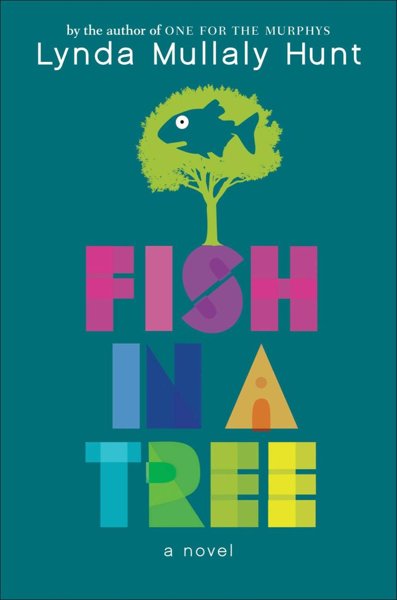
The Short Version
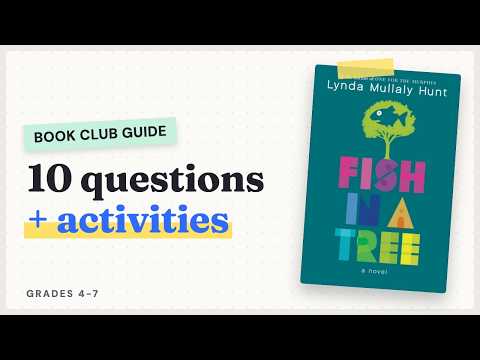
Whether you’re a teacher, a parent, or a book club, this video gives you the big themes, the characters, ten discussion questions, and a few hands-on activities.
My short take: this is one of the best middle grade books for talking about learning differences, kindness and courage. It works great for grades four to seven, and adults love discussing it too.
Quick Summary
Ally Nickerson is in sixth grade and has hidden her struggle with reading for years. A new teacher, Mr. Daniels, realizes she has dyslexia and helps her learn in new ways. Along the way, Ally makes two loyal friends, Keisha and Albert, and stands up to the class bully, Shay.
There are fifty one short chapters, which makes it easy to split into weekly sections. One easy plan: about thirteen chapters a week, finished in four weeks.
The Characters
Here are the main characters to track. Ally, the narrator, who thinks in pictures. Keisha, bold and funny, who bakes cupcakes with hidden letters inside. Albert, the gentle giant scientist. Mr. Daniels, the teacher.
And the supporting cast: Travis, Ally’s big brother. Oliver, who can’t sit still and has the kindest heart. Suki, who misses her grandfather in Japan. Shay, the bully, and Jessica, her follower.
Theme One: Different Kinds Of Smart
The title says it all. Everyone is smart in different ways. Ally is great at math, art, puzzles and chess. Albert is a walking encyclopedia. Oliver is creative. Travis can fix anything with an engine.
Ask your group: how does school measure smart? And what kinds of smart does it miss?
Theme Two: Labels And Words
Words matter in this book. Kids call Ally dumb and freak. Albert points out that if killer whales were called friendly whales, nobody would be scared. And Ally’s grandpa told her to be careful with eggs and words, because neither can be fixed.
Theme Three: Asking For Help
The poster in the principal’s office says the bravest thing you can do is ask for help. Ally spends most of the book hiding, and Albert refuses help with his bullies. Both have to learn that asking isn’t weakness.
Theme Four: Friendship And Belonging
Ally wants a friendship bracelet so badly. Then she learns Shay charges her friends for them. Meanwhile, Keisha and Albert become real friends, with matching shirts: Flint, Steel and Magnesium, the ingredients to start a fire.
Discussion Questions, Part One
Here are ten questions. Pause the video whenever you like.
One. Why does Ally act out instead of telling anyone she can’t read? Two. Ally calls her imagination “mind movies.” How do they help her, and how do they get her in trouble? Three. Mr. Daniels gives Ally a poetry award that she believes is a pity award. Was it fair? Four. What does Keisha mean when she says you don’t fit in, but you’re gonna stand out? Five. Why do you think Albert waits so long to fight back?
Discussion Questions, Part Two
Six. Is Shay purely a villain? What does the scene with her mother tell us? Seven. Why does Jessica finally apologize? Eight. Mr. Daniels makes a mistake with the substitute’s note. What should he have done instead? Nine. Why does the ending focus on Travis instead of Ally? And ten: who is a Mr. Daniels in your life, or who could you be one for?
Activities
Now some hands-on ideas. First, the impossible paper. Write “impossible” on a sheet, tear off the “I M,” and talk about something that feels impossible right now.
Second, the code. Mr. Daniels gives the class a coded sentence where each letter is shifted by one. Try decoding a message, and talk about how it feels to read slowly.
Third, the mystery box. Tape objects inside shoe boxes and have groups guess what’s inside without opening them. Fourth, a Sketchbook of Impossible Things: draw something impossible, like a snowman working in a furnace factory.
A Note For Teachers
A quick note: the book says many famous people “may have” had dyslexia, including Einstein. Some of those claims are debated, so it’s a great chance to talk about checking sources. And if a student identifies with Ally, take it seriously and talk to your school’s reading specialist.
Your Turn
Tell me in the comments: which discussion question sparked the best conversation in your group? My review, ending explained, and books like it are linked below.