The Verdict
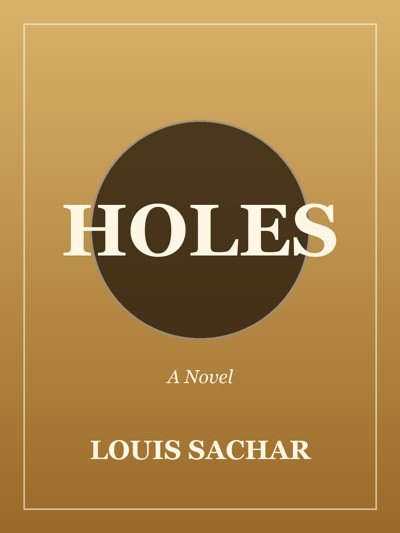
Today I’m reviewing Holes, by Louis Sachar, a book that has been handed to kids in classrooms for more than twenty years.
Here’s the quick verdict. It is a funny, fast, and cleverly built adventure, and it holds up for adults too. It has a few tidy coincidences, and some of the grown ups are a bit cartoonish, but I give it four and a half out of five. This whole review is spoiler free.
What It’s About
Stanley Yelnats is a kid with terrible luck. He is sent to Camp Green Lake, a juvenile detention camp in the Texas desert, for a crime he did not commit. There is no lake, and nothing about the camp is green.
Every day, each boy has to dig a hole five feet deep and five feet across. The warden says it builds character. Stanley starts to wonder what they are really looking for.
Holes was published in nineteen ninety eight. It won the Newbery Medal the next year, and it has about fifty short chapters, so it is very easy to read in a few evenings.
What Works
My first favorite thing is the structure. Alongside Stanley’s story, Sachar tells stories from a hundred years earlier. They look like side trips. Slowly you realize they are all pieces of one puzzle, and the way they click together is deeply satisfying.
My second favorite thing is the voice. The narration is dry, plain, and very funny. Sachar will tell you about a terrible thing in a calm voice, and somehow that makes it funnier and also sadder.
My third favorite thing is the pace. Chapters are short, almost every one ends with a hook, and nothing is wasted. It is hard to put down.
The Characters
Stanley is a very easy hero to cheer for. He is overweight, shy, and used to being picked on, and watching him get stronger in small ways is the heart of the book.
The best character, for me, is his friend Zero, who barely talks and turns out to be one of the smartest people in the camp. Their friendship is the emotional center of the story.
The boys in the tent each get a nickname and a distinct personality, and that makes the camp feel real. The adults are broader, but they are memorable.
Writing And Pacing
Sachar writes short, clear sentences, with almost no fuss. It is a children’s book, but it never talks down to the reader.
The pacing is excellent. The first third builds the camp and its rules, the middle speeds up as secrets pile up, and the final section is a thrilling run.
What Doesn’t
My first criticism is the coincidences. A few things line up a little too perfectly, and a reader who likes realism might roll their eyes.
My second criticism is that the camp staff are cartoonish. They are scary and funny, but not especially believable.
My third criticism is that the story leans on one or two female characters who are mostly seen through other people’s eyes. They are vivid, but I wanted more of their point of view.
The Scorecard
Plot: five out of five. Characters: four. Humor: four and a half. Themes: four. Pacing: five. That gives an average of four point five out of five.
Who It’s For
Read Holes if you like funny, clever stories with a mystery at the center. It is great for readers from about nine up, and a very good read aloud for families.
Skip it if you only want realistic fiction, or if you dislike stories that tie up their loose ends in surprising ways.
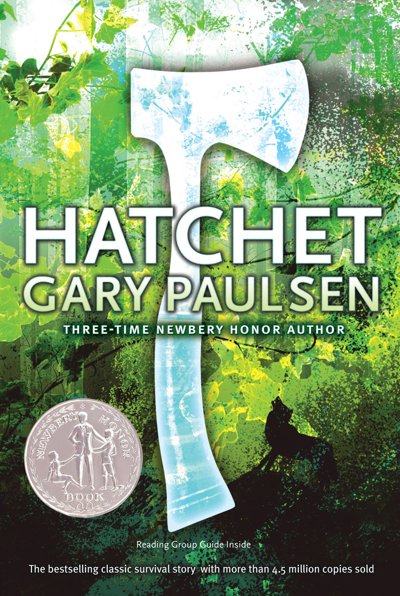
If you enjoyed it, try Hatchet by Gary Paulsen, The Westing Game by Ellen Raskin, or Tuck Everlasting by Natalie Babbitt.
Where To Get It
Links to the book and the audiobook are in the description below. Tell me in the comments: what is the weirdest thing you ever dug up? Thanks for watching, and I’ll see you next time.