The Short Version
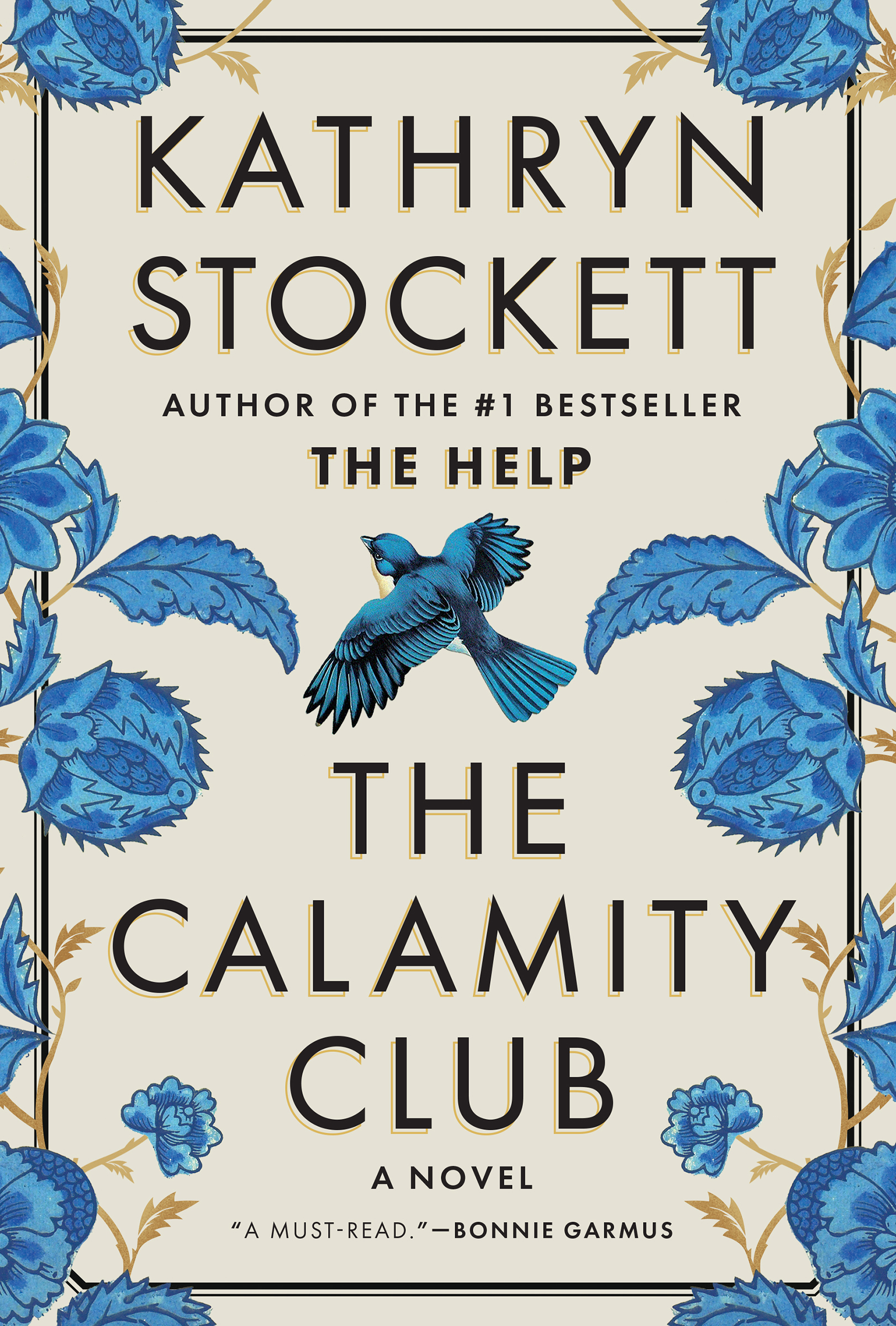
The novel is The Calamity Club, by Kathryn Stockett, and the question is simple: how much of the dark history in this story is real?
Here’s the short answer. Almost all of the big laws and institutions are real, from the nineteen twenty-eight sterilization law in Mississippi to the American Plan, and even the baby-selling agency that Meg’s adoptive mother names. The people are invented. The cruelty is not. Let me take it piece by piece.
The Author’s Note
Start with what the author says. In a note at the back, Stockett explains that a curious fact caught her eye while she was writing. It was a law passed in nineteen twenty-eight that made it legal to sterilize any person in Mississippi deemed an imbecile.
She writes that the all-male board that decided who qualified included the disabled, alcoholics, prostitutes, and sexually promiscuous women. She also admits she took liberties with some Oxford businesses and landmarks to tell a cohesive story, and she thanks historians and archivists who helped her rebuild the town as it was in nineteen thirty-three.
So the book is fiction, but it is built on documents.
The Sterilization Law
The law itself is real. According to historians of the eugenics movement, Mississippi adopted a sterilization law in nineteen twenty-eight, under Governor Theodore Bilbo. It was modeled on a Virginia law, and it covered people labeled insane, idiotic, imbecilic, feebleminded, or epileptic.
Stockett writes that Mississippi was the twenty-sixth state to pass such a law. Historians add that the numbers stayed small at first. One university compilation counts several hundred sterilizations in the state over several decades, and most of them were women.
That is important, because the book’s villains talk about feeblemindedness as inherited and tied to morals. That was the actual belief of the day. Women who had children outside marriage or who were judged promiscuous were assumed to be defective, and the label could follow them for life.
Ellisville
Charlie, the mother in the book, is sent to a state institution at Ellisville. That place is real too. It was founded as the Mississippi School and Colony for the Feebleminded, and it opened in January nineteen twenty-one.
In the novel, Charlie is declared feebleminded after an arrest and a hearing, and she describes what was done to her there. In real life, early superintendents worried about the legal procedures and tended to sterilize only when parents or guardians agreed. But the system gave powerful people the vocabulary, and the incentive, to label someone unfit.
In her acknowledgments, the author thanks two people at Ellisville State School for their help, which suggests the details were checked.
The American Plan
Then there is Miss Garnett’s big idea: a stop-and-arrest policy for any woman who seems promiscuous. In her newspaper statement, she says it is already legal under what she calls the American Plan.
That is real. In nineteen eighteen, Congress passed the Chamberlain-Kahn Act, which paid for programs to detain and test women suspected of carrying sexually transmitted diseases. Historian Scott Stern reports that tens of thousands, perhaps hundreds of thousands, of American women were detained and forcibly examined from the nineteen-tens through the nineteen-fifties. And in many places, women who tested negative were held anyway.
The law was written neutrally, but it was used almost entirely against women. Stockett’s note says that some versions of these laws are still on the books in altered forms.
Georgia Tann
Now to a detail you might have missed. When the Heidelbergs adopt Meg, Lucille makes her memorize a line: she was adopted from a Mrs. Georgia Tann at the Tennessee Children’s Home Society in Memphis.
Georgia Tann was a real person. Between nineteen twenty-four and nineteen fifty, she ran an adoption business that placed thousands of children with wealthy families, and investigators later found she had taken many from their parents. Most accounts say about five thousand children passed through her hands, though the exact number is uncertain.
A state investigation in nineteen fifty exposed the operation, and Tann died that September, before she could be charged. Tennessee passed adoption reforms the next year. So the story Lucille tells is a cover, but it’s a believable one, because Georgia Tann’s agency was a well-known name in Memphis adoptions at the time.
Depression-Era Mississippi
The background is also accurate. Birdie sees sharecroppers walking along the highway, evicted from the land. That reflects the Agricultural Adjustment Act of nineteen thirty-three, which paid farmers to grow less cotton. Many landowners kept the payments and simply told sharecroppers their labor was no longer needed.
The book also shows families losing homes for back taxes, and shop windows going dark. The Tates losing their plantation is typical of the time. In nineteen thirty-three, most people in Mississippi were poor, and Birdie’s family, with a two-hundred-dollar annuity and a paid-off house, was considered lucky.
And the booze, the bootleggers, and the students all feel right, because Prohibition was still the law until it ended in December of that year.
What The Book Invents
Now the fiction. Garnett Pittman, the Tartts and their house Idlewilde, and Charlie and Birdie’s club, all of these are inventions. Some real Oxford institutions, like Neilson’s department store and the courthouse square, show up with a few liberties.
The book also gives its characters plenty of modern attitudes. A gay man like Rory could be sent to a hospital for treatment, which was a real thing, but the book’s sympathy toward him and toward sex workers is more modern than the town’s would have been.
That’s the point of historical fiction. It builds a believable world and then lets a few people push against it.
The Verdict
So here’s my verdict. The history in The Calamity Club is accurate where it matters most: the law, the institutions, and the attitudes. The people who suffered under those laws were real, and most of them never got a rescue like Meg’s.
If you want to read more, the book’s author note cites historian Daniel Kevles on eugenics and Scott Stern’s work on the American Plan. Stern’s article on the Chamberlain-Kahn Act is a good place to start.
Sources
I’ll put links to the sources I used in the description, including the article on the American Plan, a university summary of Mississippi’s sterilization law, and the Smithsonian’s piece on Georgia Tann.
Tell me in the comments: which historical detail surprised you most?