The Short Version
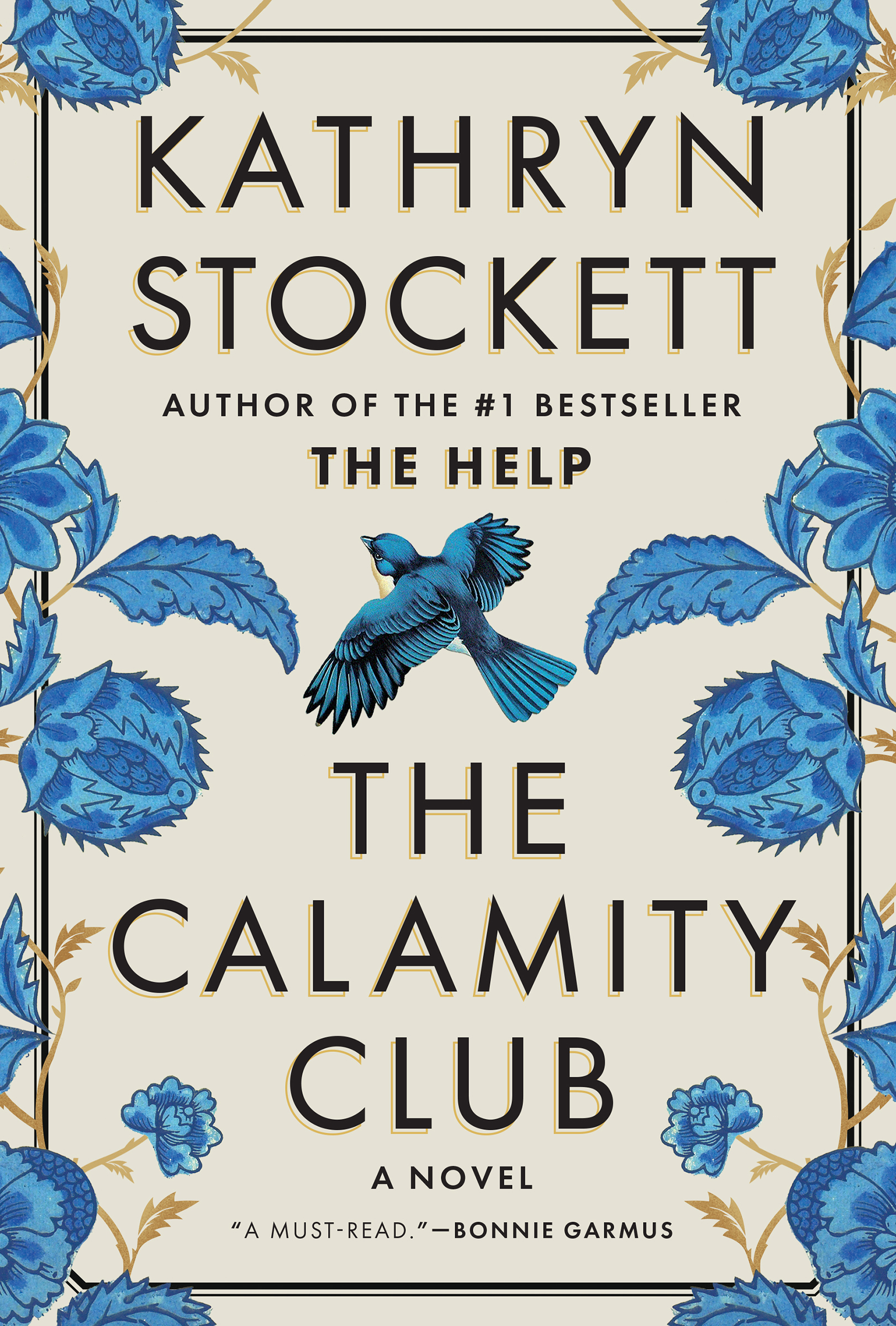
The books are The Help, from two thousand nine, and The Calamity Club, which came out seventeen years later.
Here’s the quick answer. They share a voice, a state, and a fierce interest in the women a society ignores. But the new book is funnier, stranger, and more crowded, and it asks different questions. Let’s go through them.
Seventeen Years
First, a bit of context. The Help became a huge bestseller, reportedly selling more than fifteen million copies worldwide and appearing in thirty-five languages. It was also made into a film, and it drew real criticism for how it told a story about race.
Seventeen years later, Stockett returned with The Calamity Club, published in May twenty twenty-six. By the time of this video it had spent months on the New York Times bestseller list, according to reports, and critics called it a riveting, character-driven Depression-era story.
As of now, I couldn’t find any announced film or television deal. One review said it should make a great miniseries, but that’s opinion, not news.
Voices
The biggest difference between the books is the voice. The Help had three narrators in nineteen sixty-two: two Black maids and a young white woman who wants to write about them.
The Calamity Club has two main narrators in nineteen thirty-three, Meg and Birdie, one an eleven-year-old orphan and one a twenty-four-year-old bookkeeper. Both are white, and the book tells much of its story through the women around them, including the maids Picador and Polly and a Black woman named Esmeralda who passes for white.
Meg’s chapters are written in a child’s dialect, with comic misspellings and a signature phrase, Spanish news. Birdie’s are drier and more adult. The contrast is a joy.
Humor And Tone
Both books mix comedy and pain, but The Calamity Club leans harder into farce. There is a brothel disguised as a dance club, a snobbish sister who recites her house like an almanac, and a grandmother with an electric cattle prod.
At the same time, it is darker. It deals with forced sterilization, a suicide, and the cruelty of institutions. If The Help invited you to a table, this book drags you through a back door and then gives you a drink.
Themes
Let me name the big themes you can use in a discussion. The first is motherhood. Meg has been told her mother left her on purpose. Charlie is a mother who will do anything to get back to her child. Mrs. Tartt is a mother who keeps loving the son who has cost her everything. And Garnett Pittman has her own wound.
The second is sisterhood, in both senses. Birdie and Frances fight like cats, but the book turns the word sisters into a bond across class and color.
The third is respectability. Who gets to be called a lady, and who gets called filthy? The book keeps flipping those labels.
And the fourth is who writes the rules. The state decides who is feebleminded, a committee decides who is adoptable, and a banker decides who keeps a house.
Questions About Meg
Now the questions. Here are three about Meg.
One. Meg believes that mamas do not come back, and her friend Ava insists she say it out loud. Why does Meg accept that belief, and what does it cost her?
Two. Meg lies easily, because her mother taught her how. Is Meg’s skill at lying a weapon or a wound?
Three. Meg’s drawing of the Last Supper gets her pulled out of school and locked in an office. Why does that picture frighten the adults so much?
Questions About Birdie
Here are three about Birdie.
One. Birdie says she has always been an odd bird. How does the Calamity Club change how she sees herself?
Two. Birdie’s guilt over lying to her sister and Mrs. Tartt keeps growing. Is she wrong to hide the club from them, or is she protecting them?
Three. Birdie ends the book with a man who accepts that she cannot have children. How do you read their romance next to the other relationships in the story?
Questions For The Whole Book
And four questions for the whole group.
One. Garnett Pittman is a villain, but the book gives her a reason. Does understanding her change how you feel?
Two. The women of the club include Esmeralda, who passes for white and plans to leave Mississippi. What does her story add to the book’s picture of the time?
Three. Mrs. Tartt chooses to look the other way. Is that a moral failure, a kindness, or a survival skill?
Four. The book ends abruptly with Charlie and Meg driving away. What do you think happens next, and did the ending give you enough?
Who Should Read Which
So which book should you start with? If you want a classic, quieter ensemble story told through three women, read The Help. If you want a longer, funnier, messier ride with a stronger sense of mischief, read The Calamity Club.
And if you’ve read both, I’d love your take. They are very different, but together they show a writer who is most alive when she writes about women who aren’t supposed to have a voice.
Where To Get It
My spoiler-free review, my ending explained, and my history video are all linked here. Tell me in the comments: which Stockett book do you like more, and which question would you start your book club with?