How To Use This Guide
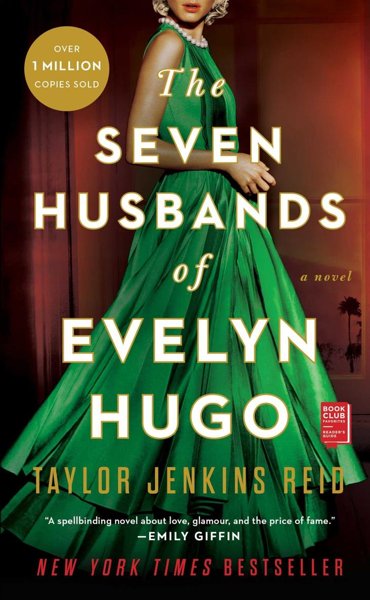
Today I have book club questions for The Seven Husbands of Evelyn Hugo, by Taylor Jenkins Reid. This one is a gift for a discussion group, because readers genuinely disagree about its narrator.
Here is how it works. The first nine sections are spoiler free, and I will say loudly when the spoilers start. They stay in the last three sections. Pause after each question, or use this as a menu for your group. One content note: the book deals with domestic violence, grief, and the exploitation of a teenage girl.
Warm Up Questions
Let’s begin with simple ones to get everyone talking. First, how did you come to this book? Did a friend push it on you, did you see it online, or were you curious about the hype? And did it live up to what you expected?
Second, Evelyn Hugo is a fictional star, but her world feels real. Before you started reading, did you picture a certain kind of old Hollywood actress? How did Evelyn match or break that picture? And what did you think of Monique as a guide into this world?
Evelyn As Narrator
Evelyn tells Monique she will tell the whole truth, but she also admits she has spent a lifetime spinning it. Do you trust her? Did your opinion of her shift as the book went on, and at which moment?
Next, early in the book she says she can be sorry for something and still not regret it. Do you believe that is possible? Can you think of a time you apologized without regretting what you did? And does her refusal to call anything a sin make her more honest, or less?
Then there is the matter of whether she is likable at all. Does a narrator have to be? Which flawed narrators have you loved in other books, and what made them work?
Image And Identity
The studio changes Evelyn’s hair, name, weight, and even her life story, and gives her a Saint Bernard called Roger. What do you make of the fake biography? Is it a harmless publicity trick, or something that hurts her?
Evelyn is Cuban American, and the studio tells her to hide it. Think about the moment years later when her housekeeper speaks Spanish in front of her. What does the book say about heritage, language, and the cost of fitting in? Do you see echoes of that in the world today?
And what about the title? Why do you think the author put the husbands in it, instead of the woman herself? Does the title promise a love story, a scandal, or a joke, and which did you get?
Ambition And Bargains
Evelyn trades a lot to get ahead, and she says she regrets very little of it. Where do you land? Did you see her choices as survival, as ambition, or as something more calculating?
Here is a harder one. Evelyn tells Monique that she should learn to grab life by the throat, and not be so tied up trying to do the right thing when the smart thing is so clear. Do you agree? Is that cynical, or just realistic for the era the book is set in? And did you see the same attitude in Monique?
Structure And Style
The book is organized by husband, and each part has a nickname that sets the tone. Which husband was your favorite, which surprised you most, and which section did you find weakest? And does the husband by husband structure keep you hooked, or does it feel repetitive?
Then there are the gossip columns, news items, and blog comments between chapters. What do they add to the story? Did you notice the gap between what the press reported and what Evelyn says really happened? Why might the author have chosen to include them?
Then And Now
The book is set across several decades of Hollywood, and the press plays a huge role. Gossip columns decide who is up and who is down, and publicists trade stories to keep stars in the news. How is that different from the way fame works today?
If Evelyn were a star in this decade, with social media and phone cameras everywhere, would she have been able to build the same image? Would she have wanted to? And who do you think has more control over their story, a studio era actress or an influencer?
Monique And The Frame
Monique starts the book at a low point, with her marriage ending and her career stuck. How does she change through her time with Evelyn? Does her growth feel earned, or does she exist mostly to listen?
And what about the offer itself? Evelyn gives Monique a huge opportunity but will not explain why. Would you have said yes without knowing the reason? How would you weigh loyalty to your employer against a once in a lifetime story?
Finally, Evelyn offers advice all through the book, like never let anyone make you feel ordinary. Which of her lines would you put on your wall, and which would you argue with? And do those lines feel like wisdom earned the hard way, or like slogans?
Hosting Ideas
If you are hosting, the book hands you a party. Ask everyone to wear emerald green, Evelyn’s signature color. Serve a chopped salad, the lunch Monique shares with Evelyn, and maybe a pot of caldo gallego, the soup Evelyn’s mother made.
You could also watch a film from the nineteen fifties, since that is when Evelyn’s career begins, and end the night by asking everyone what question they would ask a legend at the end of her life. Keep the cocktails classic, and the conversation honest.
Spoiler Warning: Celia
Spoiler warning. From here on, everything in the book is fair game, so pause the video now if you have not finished it. Here we go.
Celia St. James is the love of Evelyn’s life. How did you feel about the way the book reveals her, and about the choices Evelyn made to keep her safe? Did Evelyn hurt Celia more than she protected her? And what do you make of Evelyn’s own explanation, that she lost Celia because she cared about being famous as much as she cared about her?
Harry and John, Celia and Evelyn: four people who lived as two married couples. Was the arrangement an act of love, a trap, or both? Which of the four paid the highest price?
Spoiler Warning: The Crash
Now the car crash. Evelyn puts a dead man behind the wheel to protect Harry and Connor. Can you defend that? Where is the line between protecting the people you love and harming a stranger and his family?
When Monique learns that the dead man was her father, did her fury feel right to you? Her mother has always believed he drove drunk. Would you tell her the truth, or protect her from it? And what did you make of Evelyn keeping James’s letter for nearly thirty years?
Spoiler Warning: The Ending
Finally, Monique does not stop Evelyn from ending her life. Was that betrayal, mercy, or respect? How does Monique’s earlier article on the right to die change the way you read that choice?
What did you make of Evelyn’s last request, that readers should know she was always looking for family? And now that you have read the whole thing, what does the title mean? Is Evelyn a monster, a hero, or just a person?
Over To You
Tell me in the comments what your group decided, and which question got the loudest argument. Thanks for watching, and I’ll see you next time.