The Short Answer
That means full spoilers, so if you haven’t finished it, go read it and come back. A quick content warning too: this video mentions child neglect, forced sterilization, and a suicide.
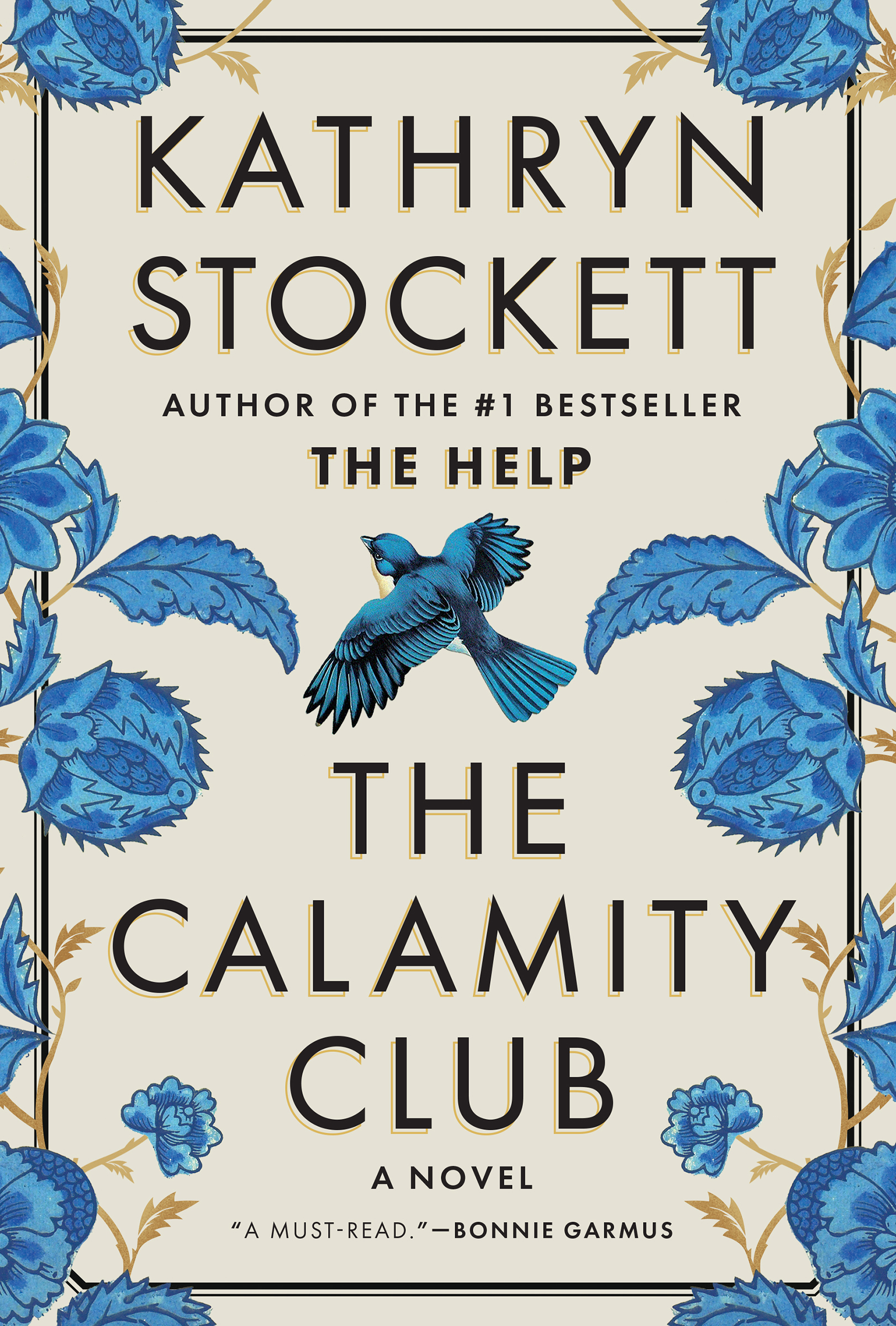
Here’s the short version. Meg’s mother comes back for her. The woman who tormented Meg is exposed, her husband finally picks a side, and a house full of women who were never supposed to save anyone saves a family. And the book ends on one short line. Let’s walk through it.
Where It Starts
Start with the setup. In the summer of nineteen thirty-three, Meg is eleven and living in the Lafayette County Orphan Asylum in Oxford, Mississippi. The chairlady, Garnett Pittman, has pulled Meg out of school and locked her alone in a moldy office with a boarded-up window.
Meanwhile, Birdie Calhoun arrives from the Delta to ask her sister Frances for money. She ends up fixing the orphanage’s books, painting Meg’s office blue, and tearing the boards off the window. For a few days, Meg gets sunlight and biscuits. Then Meg is adopted by a wealthy couple, and Birdie thinks that’s the end of it.
It is not.
The Secret At The Orphan
Here’s the question that drives the first half: why does Garnett hate Meg so much? The answer is that Meg’s father is Garnett’s own husband, Dr. Welty Pittman.
Years ago, Meg’s mother, Charlie, was a seventeen-year-old dance hall worker in Memphis when she and Welty began an affair. She got pregnant and Welty gave her thirty dollars and the name of a doctor. She wrote him letters afterward, and they came back opened.
When Meg’s mother was later arrested and sent away, Garnett saw her chance. It was Garnett who got Charlie declared feebleminded and sent to the state institution at Ellisville, where Charlie was sterilized. And when Welty found a starving Meg alone in an empty house, he took her to his wife’s orphanage, and Garnett did what she did.
That is why Garnett whispers that Meg is dirty, and that her mother is feebleminded. She is punishing a child for her husband’s choice.
Meg’s Second Family
Now to Meg. The couple who adopt her are Tom and Lucille Heidelberg, from a rich family in Byhalia, Mississippi. Tom is gentle, a Yale graduate, and the first adult who treats Meg as someone worth teaching. He teaches her to swim.
Lucille is the opposite. She drinks, she lies, and she kept the adoption money. She tells Meg to say she came from a Memphis agency, which hides where Meg really came from. Tom’s mother, Mrs. Heidelberg, also recruits Meg as a spy on her son’s household.
Everything collapses when Tom takes his own life, drowning himself in the lake. It is the saddest chapter in the book. Mrs. Heidelberg then sends Lucille away with money and decides to return Meg to Oxford.
The Tartt Collapse
Back in Oxford, Birdie discovers why Frances’s house is so quiet. Frances’s husband, Rory Tartt, is gone. He worked at the family bank and secretly lost the Tartt fortune. He is also gay, in a time when that could land you in a hospital for treatment or in jail.
Mrs. Tartt, Frances’s mother-in-law, learns the house has a mortgage of over two thousand seven hundred dollars. The electricity is cut off. They sell furniture. And when Rory is arrested in Biloxi for hitting a policeman with his car, his family spends what is left to arrange a deal that sends him to a hospital in New Orleans for a cure.
The Calamity Club
Here’s the daring part. To save the house and to give Charlie enough money to get Meg back, Birdie and Charlie turn Idlewilde into a brothel, disguised as a dance club for college boys.
They hire a crew: Flossy, the older woman who has seen everything, Ruby, the sharp young one, the twins Trixie and Dixie, Virginia, who plans to be a doctor, and Esmeralda, a Black woman who passes for white and dreams of Paris. Birdie keeps the books and sells the drinks. The girls choose a name from a list of terrible ones, and the Calamity Club is born.
It is dangerous and funny, and it works, even when a rival house is raided and the newspaper warns of police on the road.
The Reveal
When Frances and Mrs. Tartt come home early, Birdie tries to hide it. She puts them in the attic and keeps them upstairs. Frances is told the truth first, and the women pay her fifty dollars to keep Mrs. Tartt out of sight. But one night, Mrs. Tartt wanders down to Rory’s old room, where the twins are working, and sees what is happening.
Her reaction is the best surprise in the book. Charlie offers her a share of the money and tells her the truth about Meg. And then Birdie tells her that the bank has already forgiven the mortgage, all but one dollar. Mrs. Tartt quotes her dead husband, takes a breath, and decides to look the other way.
The bank never says who made that decision, but it points to Jack Walsh, the banker Birdie has been falling for. He is about to run the bank, he shows up at the club, and he tells her he does not mind that she cannot have children. He does not ask exactly what she has done, and he says he’ll put up with it for the rest of his life.
The Showdown
Meanwhile, Dr. Pittman drives out to Idlewilde. Charlie meets him and gives him the anger she has carried for years. He tells her that Tom Heidelberg is dead, that Mrs. Heidelberg wants Meg returned, and that Garnett is about to collect her. And he gives Birdie the legal authority to bring Meg home first.
The next morning, Frances wakes Birdie and they race to the orphanage. Birdie asks to adopt Meg, and Garnett says an unmarried woman can’t. Then Birdie says Charlie’s name out loud, and Garnett slips. She almost says that Meg belongs to her.
Welty finally stands up. He tells Garnett he will go to court and say who he is. Birdie threatens to expose the president of the Anti-Vice League and her husband. Garnett is left clutching the desk in her moldy office.
The Last Page
The final chapter belongs to Meg. It’s October seventh, and she is packing her old white dress and writing her name in Tom’s book. A black car rolls up the driveway, and she braces for Garnett.
Instead, a woman in a blue dress gets out. It’s Charlie. Meg says, Mama? Then she says, Where in the hell have you been? And Charlie answers: Nowhere good, Margot, but I am here now.
They drive away toward Memphis. The book never explains how Charlie got there first. It ends right there, in the car, with the road ahead.
What It Means
So what does the ending say? First, it says mamas do come back. Early in the book, Meg’s friend Ava drills her to say that mamas do not come back, and Meg believes it. The last page proves that belief wrong, but at a price.
Second, it says respectable people can be the cruelest. Garnett, Pripp, and the committee ladies are pillars of the church, while the prostitutes, the maids, and the convict are the ones who show up.
And third, it says that the family you build matters as much as the one you inherit. Birdie, Frances, Mrs. Tartt, Charlie, and the women of the club all end up changed.
It also leaves questions. We never see what happens to Garnett, or whether Charlie will make it to California. That open ending frustrates some readers and delights others.
Your Turn
If you want to know about the real history behind this story, that video is linked here, along with my spoiler-free review. Tell me in the comments: did you want a longer ending, or was that last line enough?