The Short Version
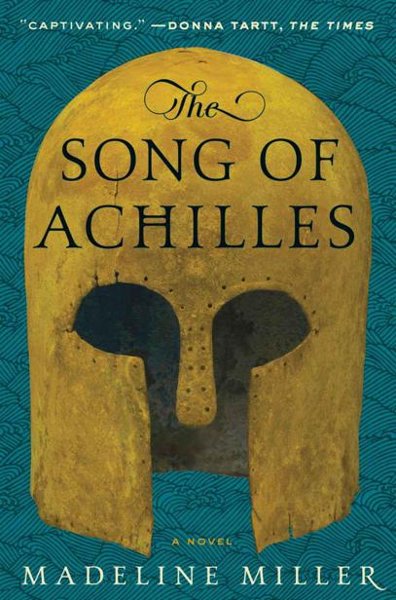
Today it’s the ending of The Song of Achilles, by Madeline Miller, and if you just finished it, I’m sorry.
The short version: Patroclus dies in Achilles’ armor. Achilles kills Hector, knowing it seals his own fate, and dies soon after. Their ashes are mixed together, but Patroclus can’t rest, until Thetis does the one thing he needs. Let’s break it down.
The Quarrel
In the tenth year of the war, Agamemnon takes Briseis, the woman Achilles and Patroclus have protected. Achilles refuses to fight, and asks his mother to make the Greeks lose until they beg.
Patroclus sees what pride is doing to him. Achilles says his life is his reputation. Patroclus wants him to be remembered as a man worth remembering.
The Armor
As the Greeks are pushed back to their ships, Patroclus has an idea. He’ll wear Achilles’ armor and lead the Myrmidons. The Trojans will think Achilles has returned.
Achilles makes him promise to stay in the chariot, and stay away from the walls. It works. The Trojans break. And then Patroclus breaks every promise.
How Patroclus Dies
He fights. He kills Sarpedon, a son of Zeus. He tries to climb the walls of Troy. Twice, the god Apollo knocks him back, and strips off the armor.
A spear hits him from behind. Then Hector walks up and finishes him. Patroclus’s last fear isn’t for himself. It’s for Achilles, because once Hector kills him, Achilles will have to kill Hector. His last thought is Achilles’ name.
The Prophecy
That’s the cruel logic of the book. Years earlier, Achilles learned that Hector would die before he did. So for ten years he simply avoided Hector, to buy them time together.
Patroclus’s death takes that choice away. Achilles goes after Hector, kills him, and drags his body behind his chariot, knowing his own death will follow.
Priam
Then comes the most human moment. Hector’s father, King Priam, walks into the Greek camp alone at night and kneels before the man who killed his son.
Achilles lifts him up, feeds him, and gives Hector’s body back. With Patroclus’s body still in the tent, he calls him by his pet name: most beloved.
Achilles’ Death
Soon after, Paris shoots Achilles from the walls, with Apollo guiding the arrow. Miller skips the famous heel. The arrow hits him in the back, and Achilles smiles as he falls.
Before he died, Achilles ordered that their ashes be mixed together in one golden urn and buried in one tomb.
The Name On The Tomb
But then Achilles’ son arrives. Pyrrhus is twelve, cold and brutal, and he refuses to let Patroclus’s name go on the tomb. He calls him a slave.
In the book’s logic, the dead need a name to rest. So Achilles has gone to the underworld, and Patroclus is stuck above as a ghost, tied to the grave. Even Odysseus tries to change Pyrrhus’s mind, and fails.
Briseis
Pyrrhus also claims Briseis. She tells him the truth: his father loved the man buried with him. She stabs him and swims for freedom, and Pyrrhus kills her with a spear.
It’s one of the most painful scenes in the book, and it’s entirely Miller’s invention.
Thetis
Only Thetis is left. She comes to the tomb every day. Patroclus, who has kept Achilles from her all his life, finally does something generous. He gives her his memories.
Achilles’ hair in summer. The way he ran. The figs he juggled, and the word he said when he threw one: catch. And in return, Thetis remembers the son she couldn’t keep.
The Final Line
At sunset, Thetis tells him she could not make Achilles a god. Patroclus answers that she made him. Then she shows him the stone. She has carved his name beside Achilles’.
In the last lines, two shadows reach for each other in the dark, and when their hands meet, light pours out like golden urns from the sun.
What It Means
The whole book is about what gets remembered. Achilles traded his life for a name that would never die. Patroclus, who had no fame at all, is saved by being named.
And Thetis, the mother who hated him, finally accepts him as part of her son. They aren’t happy in life. But they are together.
My Verdict On The Ending
I think it’s close to perfect. The prophecy turns every quiet scene into a countdown, and the memory exchange with Thetis is one of the most moving endings I’ve read.
My only complaint is Pyrrhus, who feels like a cartoon villain. Tell me in the comments: did you cry at the last line? My review and the Iliad comparison are linked below.