The Verdict
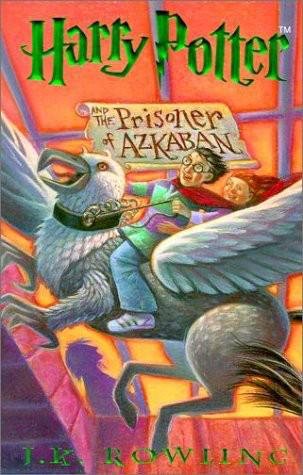
We’re putting the book of Harry Potter and the Prisoner of Azkaban up against the two thousand four film, and this one has spoilers for the whole story.
Short answer. The film is a gorgeous, moody and very well acted adaptation, and many fans rank it among the best of the series. But it has to cut a lot, especially the history of Harry’s father and his friends. I would read the book first, then watch the film as a companion.
How The Film Happened
The film was directed by Alfonso Cuarón, who followed Chris Columbus, the director of the first two films. The screenplay was by Steve Kloves. It was the first in the series made by a new director, and it looks and feels different from the first two. To me, Cuarón gave the story a darker, wilder, more handmade look.
It premiered in New York on May twenty third, two thousand four. It opened in the UK on May thirty first and in the United States on June fourth. According to Wikipedia, it runs about one hundred forty one minutes, a little over two hours and twenty.
The Cast
The young trio returned, with Daniel Radcliffe as Harry, Rupert Grint as Ron and Emma Watson as Hermione. And the new faces are superb. Gary Oldman plays Sirius Black, David Thewlis plays Professor Lupin, and Timothy Spall plays Peter Pettigrew. Emma Thompson plays Professor Trelawney.
The other big change is Dumbledore. Richard Harris died in October two thousand two, and Michael Gambon took over the role from this film onward. It is a different Dumbledore, and fans still debate which they prefer.
What The Film Kept
The film keeps the shape of the story, and many of the best scenes. Harry runs away from the Dursleys, the Knight Bus arrives, and the dementors board the train. Lupin’s boggart lesson, Buckbeak’s flight, the Whomping Willow, and the Shrieking Shack are all there.
It also keeps the heart of the ending. Pettigrew is exposed, Lupin turns into a werewolf, the dementors close in at the lake, and Hermione and Harry go back in time to save Buckbeak and Sirius. The time travel plays beautifully on screen, and I love how it lets you see the earlier events from a new angle.
What It Changed
Here is where the book has the edge. According to comparison guides, the biggest cut is the backstory of Harry’s father and his friends. The Marauders and their nicknames are reportedly never explained, and the connection between Lupin, James and the Marauder’s Map is only briefly mentioned.
The Fidelius Charm, the spell that hid the Potters, is removed entirely. That means the film never fully explains how Sirius was supposed to have betrayed them, or why the truth was so different. It makes the Shrieking Shack scene faster, but less satisfying.
Quidditch takes a hit as well. Gryffindor’s Cup run, which is a major subplot in the book, is almost entirely left out. Only one match appears, in which Harry’s broom is destroyed by the Whomping Willow. The Firebolt also changes. In the book, it is an anonymous Christmas present that Professor McGonagall confiscates for months. In the film, Harry receives it at the end, as an openly acknowledged gift from Sirius.
Smaller Changes
There are smaller changes too. The book has two trips to Hogsmeade, and the film has only one. The scene where Harry throws mud at Draco becomes a snowball scene. Most of Snape’s Potions lessons are cut, and Harry’s crush on Cho Chang is removed. The romance between Ron and Hermione also reportedly gets more attention.
Lupin’s resignation is kept, and it still follows Snape revealing that he is a werewolf. In the book, the goodbye is long and gentle. Lupin hands back the cloak and the map, and confirms the secret of Harry’s father’s animal form. That quiet scene is one of my favorites.
Reception
The reception was strong. According to Wikipedia, the film holds a ninety one percent approval rating on Rotten Tomatoes, based on two hundred sixty four reviews. It earned two Academy Award nominations, for John Williams’s score and for visual effects.
At the box office, it earned about eight hundred ten million dollars worldwide, making it the second highest grossing film of two thousand four, behind Shrek Two. It was also the lowest grossing of the Harry Potter films, which says more about how enormous the series was than about this film.
What I Would Have Kept
Here is my opinion, and you may disagree. If I could restore one thing, it would be the Marauders. The book builds a whole friendship, with jokes, nicknames and a terrible mistake, and it makes Sirius and Lupin hurt more. Without it, the film leans on the actors, and Oldman and Thewlis do a lot with a little.
I would also bring back the Quidditch final. It is a small, joyful win in a dark year, and the book needs it. But I understand why a film that is already over two hours had to choose.
Which Should You Choose
So which should you pick? If you want to understand Sirius, Lupin and the full Marauders story, read the book. Some of the book’s best moments, like Lupin’s long conversation in the Shack, simply cannot fit into a movie.
If you want a stylish, atmospheric movie night, and the time travel sequence done on screen, watch the film. And if you are watching HBO’s series, which reportedly plans one season per book, you may get more of the book’s material.
Do both, and tell me in the comments, which do you prefer, the book or the film? And what would you have kept? Thanks for watching, and I’ll see you in the next one.