The Verdict
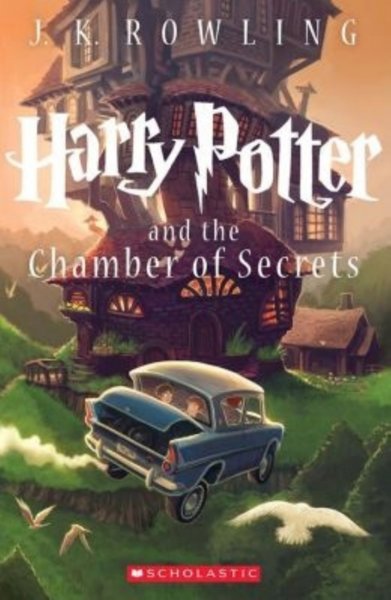
We’re comparing book two of the Harry Potter series, Chamber of Secrets, with the two thousand two film, and this one has some spoilers for the whole story.
Short answer. The film is an enjoyable, darker follow up with some great performances, and it follows the book closely. But it is long, it trims a lot of the clues and side characters, and the book is richer. I would read the book first, then watch the movie as a treat.
How The Film Happened
The film was directed by Chris Columbus, who also made the first movie, with a screenplay by Steve Kloves, and David Heyman as producer. Cinematographer Roger Pratt aimed for a darker and edgier look than the first film. It was shot from late two thousand one into the summer of two thousand two, right after the first film’s huge success.
It premiered in London on November third, two thousand two, and opened in the UK and US on November fifteenth. According to the box office site The Numbers, it cost about one hundred million dollars, and it runs one hundred sixty one minutes, which is two hours and forty one.
The Cast
The young trio returned, with Daniel Radcliffe as Harry, Rupert Grint as Ron and Emma Watson as Hermione. The big new addition was Kenneth Branagh as Gilderoy Lockhart, and he is perfect, all teeth, hair and self love.
Jason Isaacs plays Lucius Malfoy, Christian Coulson plays the young Tom Riddle, and Bonnie Wright plays Ginny. Toby Jones voices Dobby, and Shirley Henderson is Moaning Myrtle. Robert Hardy plays Cornelius Fudge, and John Cleese is Nearly Headless Nick.
It was also Richard Harris’s final film as Dumbledore. He died in October two thousand two, just before the release, and Michael Gambon took over from the next film.
What The Film Kept
The film keeps the shape of the story. Dobby’s warning and the ruined dinner party, the flying car, the Burrow, the shopping trip, the Whomping Willow, and the Polyjuice Potion all appear.
It also keeps the big centerpiece scenes. Hagrid is taken away, Harry follows the spiders to Aragog, and the descent into the Chamber is a showstopper. The Chamber set was reportedly the largest built for the whole film series, and the flying car was reportedly a real nineteen sixty two Ford Anglia. Riddle’s confession, the basilisk, Fawkes, and the sword are all there, and the sock trick still gets a cheer.
What It Changed
Here is where the book has the edge. Several things are cut. Nearly Headless Nick’s deathday party, a whole chapter in the book, is gone. Peeves and Professor Binns do not appear, and the secret that Filch is a Squib is never revealed.
The second change is the clues. In the book, Percy has a secret girlfriend, Penelope Clearwater, who is later petrified, and that subplot is trimmed to almost nothing. Many of the small Ginny clues are also cut, which makes the twist feel a little less earned. The film also has Lucius slip the diary into Ginny’s cauldron where Harry can see it. In the book, Lucius only picks up her old Transfiguration book, and Harry works it out at the end.
Comparison lists point to smaller cuts too. Lockhart’s Valentine’s Day breakfast and the garden gnome scene at the Burrow are missing. In the book, Hermione needs a note signed by Lockhart to borrow a restricted potions book, but in the film it is simply on the shelf. And the fight between Mr. Weasley and Lucius Malfoy at the bookshop, a real brawl in the book, becomes a tense verbal exchange.
Third, the tone shifts a bit. Lucius is more menacing when he loses Dobby, and in the film he looks ready to cast a killing curse. In the book, he lunges at Harry and is blasted down the stairs.
Reception
Critics were mostly positive, and they split in an interesting way. Some praised how faithfully Columbus brought the book to the screen. Others, including Rolling Stone, said he was almost too reverent to it. As of October twenty twenty six, Rotten Tomatoes lists about eighty two percent positive reviews, and the consensus calls it darker and livelier than the first film. Some reviewers also found it too long.
At the box office, it was a hit, earning roughly eight hundred seventy seven to eight hundred eighty million dollars in its first run, depending on the source. That made it one of the biggest films of that year.
Does It Hold Up
For me, yes, with caveats. The effects have aged a little, especially the early computer characters, but the practical sets and the performances still charm. Branagh and Isaacs are both hilarious and sinister, and the final Chamber sequence is still thrilling.
The Aragog sequence is a good example. It is scary, it is funny, and it gives the spiders real weight, and Dobby is a lovable creation who steals every scene. These are the film’s biggest wins.
What does not hold up as well is the length. Two hours and forty one minutes is a lot for a mystery, and the middle drags. The book moves faster because every scene is doing double duty, and the film cannot always do that.
Which Should You Pick
If you want the full mystery, the red herrings and the Ginny clues, read the book. It’s the richer experience, and it plays fair with the reader in a way the movie does not have time for.
If you want a cozy, spooky movie night, watch the film. One warning for parents, though. The giant spiders and the huge snake are far more intense on a big screen than they are on the page, so it may be scarier for younger children than the book is.
And if you love the film, a longer extended version reportedly runs about one hundred seventy four minutes, which is longer still.
But if you have time, do both. Then tell me in the comments which one you prefer, the book or the film. If you want the spoiler free take first, my review is on the channel.