The Verdict
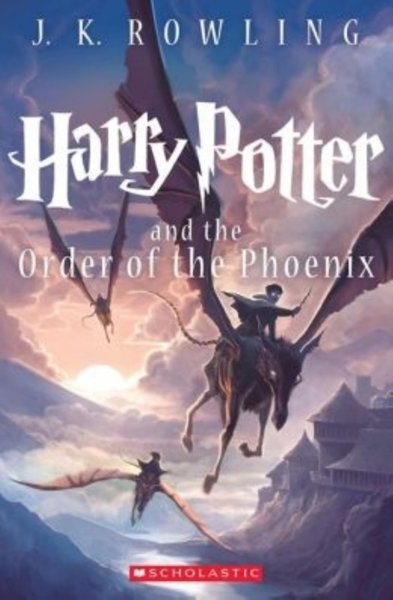
We are comparing the longest Harry Potter novel, Order of the Phoenix, with the two thousand seven film, and this one has spoilers for the whole story.
Short answer. The movie is tighter, darker, and very well cast, and it is a good way to see the story if you do not have the time for seven hundred pages. But it leaves out a lot, and it removes some of the book’s heart. I would read the book first, then watch the film.
How The Film Happened
The film was directed by David Yates, who had never made a Harry Potter movie before and went on to direct all the rest. The screenplay was by Michael Goldenberg, because Steve Kloves, who wrote the earlier films, had other commitments.
According to Wikipedia, it was released in the US on July eleventh, two thousand seven, and in the UK a day later. It was a huge hit. The reported budget was somewhere between one hundred fifty and two hundred million dollars.
The Cast
Daniel Radcliffe, Rupert Grint and Emma Watson are back as the trio, and the new faces are the stars. Imelda Staunton plays Dolores Umbridge, and she is fantastic. She is sweet, prim, and quietly terrifying.
Helena Bonham Carter plays Bellatrix Lestrange, and Evanna Lynch is Luna Lovegood. Gary Oldman is Sirius, and Michael Gambon is Dumbledore. Alan Rickman is Snape, Natalia Tena is Tonks, and Emma Thompson plays Professor Trelawney.
Katie Leung plays Cho Chang, and Tony Maudsley plays Grawp. Timothy Bateson voices Kreacher.
What The Film Kept
The film keeps the spine of the story. Harry is attacked by Dementors in Little Whinging. He is put on trial, and he joins the Order at Grimmauld Place. At school, Umbridge takes over, and the Ministry refuses to believe that Voldemort is back.
It also keeps the best known moments. Umbridge’s detentions, the formation of Dumbledore’s Army in the Room of Requirement, and Occlumency lessons with Snape are all there. Grawp and the centaurs appear in the Forest, and Umbridge’s fate at the hands of the centaurs is intact.
The climax is intact as well. Harry is lured to the Ministry, a prophecy is smashed, the Order arrives, and Sirius falls through the veil. Dumbledore fights Voldemort, and Voldemort possesses Harry. Afterward, Dumbledore explains the prophecy.
What It Changed Or Cut
This is where the book is much richer. The biggest cut is Quidditch. The screenwriter has said he hated cutting it, but it is gone entirely.
Second, St Mungo’s. According to Wikipedia, the scene was cut because it needed a new set. That scene is where we learn what happened to Neville’s parents, so Neville loses an important piece of his story.
Third, Kreacher. The film does include him, at J.K. Rowling’s request, but his role is much smaller. As far as I can tell from the sources, the book’s big Kreacher storyline is dropped.
Fourth, the Ministry fight. Several events leading to the battle are removed, including the brain room, to speed up the climax. And Snape’s worst memory is shortened, so it is a much smaller moment than in the book.
Dumbledore’s Army And Umbridge
The film does a lot with its middle section. Dumbledore’s Army is a highlight, and watching a room of students teach themselves is a crowd pleaser. The film also keeps the betrayal, since Harry believes Cho Chang gave the group away to Umbridge.
The film also gives Umbridge a quick, satisfying downfall. She is kidnapped by centaurs, and then the Minister loses his job and she is dismissed. In the book, it is slower. She is silent in the hospital wing, and then she leaves the school with Peeves whacking her all the way out.
The shorter version makes her less of a long running menace, but it is cleaner and funnier on screen.
Reception
Critics were mostly positive. As of October twenty twenty six, Rotten Tomatoes lists about seventy eight percent positive reviews, and Metacritic gives it seventy one out of a hundred. The Rolling Stone critic Peter Travers called Radcliffe’s performance sensational.
At the box office it grossed about nine hundred forty million dollars worldwide, according to Wikipedia. The film runs one hundred thirty eight minutes, which makes it one of the shortest films in the series, the second shortest according to Wikipedia, even though the book is the longest.
Does It Hold Up
For me, yes, with a caveat. The performances are what carry it. Staunton is a genuine villain, Lynch is a perfect Luna, and Oldman gives Sirius real warmth in a short time.
The Ministry battle is also exciting, and the Dumbledore versus Voldemort duel is one of the best effects sequences in the series.
What does not hold up as well is the emotional build. Without St Mungo’s, without the Quidditch pressure, and with Kreacher cut down, the book’s slow tragedy is thinner. The movie moves fast, but it can feel as though events simply happen to Harry. In the book, you feel every month of his isolation, and that makes the ending land harder.
The Length Problem
It helps to remember how big the book is. The first edition runs to seven hundred sixty six pages, and the film has to fit all of that into about two hours and eighteen minutes.
That squeeze explains most of the choices. Anything that needs a new set, or a subplot that does not feed straight into the finale, is a candidate for the chop. In Neville’s case, the film still has him fly to the Ministry with the others, but without his parents’ story, his courage there is less earned.
Which Should You Pick
If you want the full story, with all the pain and all the clues, read the book. It is the richer experience, and this is the book where the length really pays off.
If you want a fast, dark, well acted fantasy, watch the film. And do both if you can. Then tell me in the comments which one you prefer. If you want the ending in detail, my ending explained video is next.