The Verdict
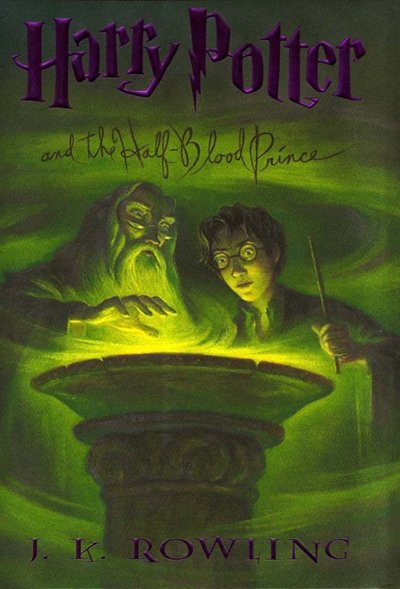
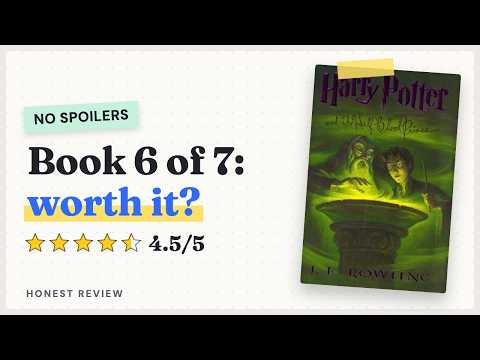
Today I’m reviewing Harry Potter and the Half-Blood Prince, book six of seven, by J.K. Rowling.
Quick verdict. This is the book where the series grows up. It is funny, romantic and quietly heartbreaking, and it tells you more about Voldemort’s past than any book before it. The price is a slow, chatty middle. I give it four and a half out of five, and this review is spoiler free, though I will assume you have read the first five books.
What It’s About
The book came out in two thousand five, and it covers Harry’s sixth year at Hogwarts. It has thirty chapters and roughly one hundred and sixty eight thousand words, so it is a big one.
It opens with the Muggle Prime Minister, who is visited in his office by a very worried wizard stepping out of the fireplace. Then Dumbledore himself turns up at Privet Drive, late at night, to collect Harry. He has a favor to ask first. They need to persuade a retired teacher to come back to Hogwarts.
That teacher is Horace Slughorn, a vain, charming collector of famous students. Dumbledore plainly wants something from him, and he will not say what.
Back at school, there are changes. Harry is Quidditch captain. Snape has finally been given the Defense Against the Dark Arts job. Draco Malfoy is sneaking around and acting very pleased with himself. And Harry stumbles on an old Potions textbook, covered in handwritten notes, that says it belongs to the Half-Blood Prince.
Hogwarts At War
Let me tell you about the world, because it feels different this time. The wizarding war is no longer a rumor. It is on the news, on the posters and in every conversation.
Diagon Alley is half boarded up, and the Ministry has plastered purple security notices over the shop windows. Some shopkeepers have simply vanished. Everyone travels in groups. Even the weather is gloomy, because of a creeping mist.
Amulet sellers are working the street, selling silver charms against dangers that charms cannot stop. I love that detail. It shows you a frightened community without a single speech.
And yet this is also a very funny book. Fred and George have opened a joke shop, and it is thriving. Rowling lets fear and silliness sit side by side, and that mix is what makes the school feel real.
What Works
Four things work best for me.
First, the lessons with Dumbledore. This year he takes Harry through memories, stored in the Pensieve, that show how a lonely orphan became the most feared wizard alive. These chapters are the heart of the book. They feel like detective work, and Dumbledore enjoys every minute of it.
Second, the humor and the school life. Slughorn’s parties are gently ridiculous. A love potion causes chaos. Quidditch tryouts bring one very annoying contender. After a very dark book five, the lightness is a relief.
Third, the Prince’s textbook. A used book full of clever shortcuts is a wonderful idea. Harry suddenly shines in Potions, Hermione is furious, and the notes in the margins start to show a personality. You want to know who wrote them.
Fourth, the tension around Draco Malfoy. Harry is convinced he is up to something, his friends think Harry is obsessed, and the book keeps you guessing who is right.
One small scene shows how well the book mixes comedy and heart. Ron is a nervous goalkeeper who thinks he has been secretly given a luck potion, and he plays brilliantly. Harry has to decide whether to tell him the truth. It is a tiny story about confidence, and it sets up one of the book’s big ideas about luck.
Characters and Themes
This is a book about growing up, and you see it in everyone. Harry is sixteen, and he spends as much time worrying about a girl as about Voldemort. Ron and Hermione spend half the book being impossible about each other. I found that funny and also painfully true.
Slughorn is a great addition. He is snobbish, a little cowardly and genuinely likable, and he is nicest to people who might be useful. Harry has to charm him, and watching a sixteen year old learn to flatter a vain man is a treat.
Ginny deserves a mention too. She goes from a shy girl who could not speak around Harry to someone funny, confident and entirely herself. Rowling does that without making a fuss, and it is one of my favorite changes in the book.
Dumbledore is the best he has ever been on the page. He is warm and playful, but there is a tiredness in him now, and an injury that he refuses to explain properly.
The big themes are choice and trust. Is a person defined by what they were born to do, or by what they decide? And who do you trust when the evidence says one thing and someone you respect says another? Rowling asks both questions without preaching.
Writing and Pacing
Rowling’s prose is as readable as ever. Short chapters, clear scenes, jokes in the dialogue and a real talent for planting a small detail that matters later. If you reread the book, you will find that the early chapters are full of those details.
She is also very good at withholding. Dumbledore says he will explain his injury later, and then he does not, for a long time. Draco’s mission is hinted at in the first few chapters and not explained until the end. That keeps you reading.
The pacing is another story. The first third moves briskly, from the Prime Minister to Slughorn to the Hogwarts Express. The middle slows down for lessons, crushes, detentions and Quidditch. Then the last stretch speeds up and does not stop.
One structural choice is worth knowing about. Dumbledore’s lessons are told in a calm, almost courtroom style, with long conversations after each memory. They are clever, but they are talky, and a few readers will find them dry compared with the earlier action books.
If you love the characters, the slow stretch is a pleasure. If you want plot, you may drum your fingers.
What Doesn’t Work
I have a few complaints.
First, the middle is padded. Several chapters are conversations about who likes whom. They are charming, but they stop the story for a while.
Second, Harry’s obsession with Draco becomes repetitive. He suspects, his friends roll their eyes, and we do it again. It is a fair argument, but we have had it enough.
Third, Hermione is sidelined. She is as clever as ever, but she spends a lot of the book being cross about a textbook and about Ron, and I wanted her more involved in the mystery.
Fourth, some of the romance plot leans on love potion gags that did not age well for me.
And fifth, a personal one. The book spends so long on Voldemort’s past that the present danger can feel offstage until the final chapters. I understand why, and I think it pays off, but it asks for patience.
Content Notes
A few heads ups for parents and sensitive readers. This is the darkest book in the series so far.
There is real danger, curses that cause serious injury, a poisoning, creepy corpses, and a lot of grief. The ending is heavy. There is also teenage romance, kissing and some jealousy, but nothing graphic.
I would say it is best for readers around twelve and up, or younger readers who have been fine with the earlier books and have a trusted adult to talk to.
The Scorecard
Here is my scorecard, out of five.
Story, four and a half. The memories are excellent.
Humor and charm, four and a half. Very funny, and often very sweet.
Characters, five. Dumbledore, Slughorn and Draco all get new depth.
Pacing, three and a half. The middle sags.
Ending, five. I will not say anything about it, except that it is the one people still argue about.
That averages out to four and a half out of five.
Who It’s For
Read it if you have loved the series so far, because this book pays off years of setup. Read it if you like mysteries built from memories and clues. And read it if you enjoy school stories that mix comedy with real stakes.
Skip it, or at least be patient, if you want a fast thriller from page one. And please do not start here. This is book six of seven, and it only works if you know the characters.
If you enjoy it, the final book is waiting for you, and it is a very different kind of story.
Where To Get It
You can find links to the book and the audiobook in the description. The audiobook is a lovely way to hear Slughorn and Dumbledore.
Tell me in the comments, who do you think the Half-Blood Prince is, and which of Slughorn’s guests would you most like to meet? And if you have already finished the book, my ending explained video is next. Thanks for watching, and I’ll see you in the next one.