The Verdict
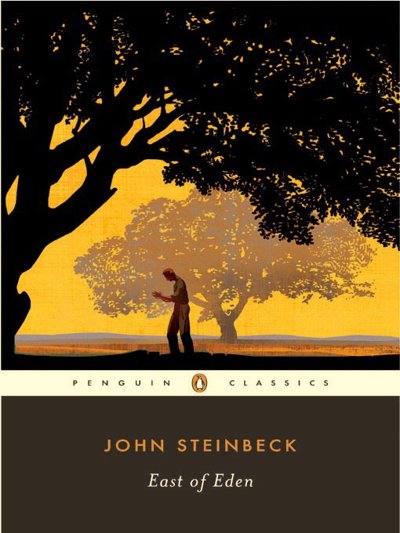
Today’s book is a big one: East of Eden, by John Steinbeck, from nineteen fifty two. Steinbeck believed it was the book he had been practicing for his whole life, and with the new Netflix series out, a lot of people are picking it up for the first time.
My verdict: yes, read it. It’s long, it’s slow in places, and some of it has aged badly. But it has one of the great villains in literature, one of the best characters Steinbeck ever wrote, and an idea that might change how you think about yourself. I give it four out of five.
What It’s About
East of Eden follows two families in the Salinas Valley in California, from the Civil War to World War One. The Hamiltons are Steinbeck’s real grandparents: poor, warm, full of children and big ideas. The Trasks are invented.
Adam Trask is a gentle, wounded man who moves west with his new wife, Cathy, to build an Eden on a ranch. Cathy is not what he thinks she is. And years later, their twin sons, Cal and Aron, live out the story of Cain and Abel all over again.
The Big Idea
The heart of the book is one word. Adam’s cook, Lee, studies the story of Cain in Genesis, and finds that the Hebrew word timshel doesn’t mean “thou shalt” or “do thou.” It means “thou mayest.”
In other words, you aren’t doomed to be good or bad. You get to choose. Every character in the book is tested against that idea, and it’s what gives a dark story its hope.
What Works
First, Cathy. Steinbeck calls her a monster, and she’s terrifying: calm, clever and completely without conscience. She’s one of the most memorable villains in American fiction.
Second, Lee. He’s a Chinese American servant who pretends to speak pidgin English so people will leave him alone, and he turns out to be the wisest person in the book. Every scene with him is a gift.
Third, Samuel Hamilton, the inventor who never made money. He’s warm, funny and kind, and Steinbeck clearly loved him.
The Writing
The writing is beautiful. The opening chapter about the Salinas Valley, the poppies and the dry years and the floods, is some of the best nature writing in American literature.
Steinbeck also steps into the story himself as a narrator, a grandson of Samuel Hamilton. He stops to talk about good and evil, about money, about war. Some readers love those detours, some skip them.
What Doesn’t Work
Now the honest part. First, it’s long, about six hundred pages, and the middle section, before the twins grow up, drags.
Second, some of it has aged badly. The book uses racist language and stereotypes, especially about Native Americans and Black characters, and the women are mostly saints or monsters.
Third, Cathy is almost too evil. Steinbeck explains her as born without a conscience, which makes her less human than everyone around her.
The Scorecard
My scores. Characters, five out of five. Big ideas, five. Writing, four and a half. Pacing, three and a half. How it’s aged, three. That averages to four point two, so let’s call it a strong four.
Who It’s For
Read it if you like big family sagas, if you loved The Grapes of Wrath or Of Mice and Men, or if you’re watching the Netflix series and want the whole story.
Skip it if you need a fast plot, or if long digressions drive you crazy.
Where To Go Next
I’ve also made an ending explained, a book versus Netflix series and movie comparison, and a list of books like it. They’re linked below. Tell me in the comments: are you Team Cal or Team Aron?