The Short Version
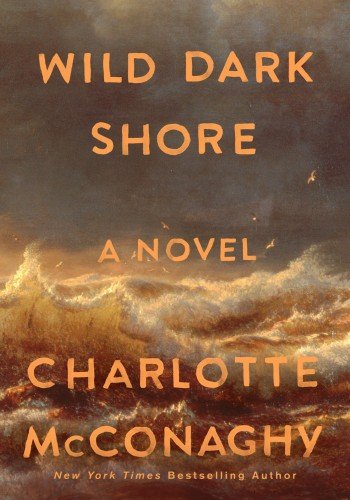
Wild Dark Shore is set on Shearwater Island, near Antarctica. It isn’t real, but it’s based on a real place, and the book is packed with science. So I checked it.
The short answer: the island, the wildlife and its bloody history are real. The seed vault and the lighthouse are invented. And a few of Orly’s best facts are myths. Light spoilers only.
The Real Island
Claim one: Shearwater is a real island. False, but it’s very close. McConaghy says it’s based on Macquarie Island, halfway between Tasmania and Antarctica.
Macquarie is about thirty four kilometers long, with no trees, constant wind, and millions of seals, penguins and seabirds. McConaghy visited it while researching the book. Verdict: a real island, renamed.
The Earth’s Mantle
Claim two: the island is the only place where rock from deep inside the Earth is exposed. True. Macquarie is the only place on Earth where rocks from the ocean crust and upper mantle are being pushed above sea level.
That’s the reason it became a World Heritage Site, in nineteen ninety seven. Verdict: true.
Royal Penguins
Claim three: the island has the last colony of royal penguins in the world. Basically true. Royal penguins breed almost only on Macquarie and a few islets nearby.
The island also has king, gentoo and rockhopper penguins, and a shag found nowhere else. Verdict: true.
The Penguin Barrels
Claim four: rusting barrels on the beaches were used to boil penguins for oil. True, and it’s grim. From the eighteen nineties to nineteen nineteen, an oil business boiled down hundreds of thousands of penguins. The remains still sit on the shore.
Sealers had already wiped out the island’s original fur seals in the early eighteen hundreds. Verdict: true.
The Seed Vault
Claim five: a global seed vault on the island. Invented. It’s based on the real Svalbard Global Seed Vault in Norway, which opened in two thousand eight and stores seeds at minus eighteen degrees.
And yes, in twenty sixteen, meltwater flooded Svalbard’s entrance tunnel. No seeds were harmed. Verdict: invented, but inspired by a real scare.
The Rising Sea
Claim six: the island is being swallowed by the sea within a few years. That’s fiction, for now. Global sea level is rising a few millimeters a year, not meters in a decade, and the author notes the real base isn’t being swallowed yet.
But low lying island nations do face real danger, which is the point Raff makes at the end. Verdict: a sped up future.
The Wollemi Pine
Claim seven: the Wollemi pine was found in the wild in nineteen ninety four, and firefighters saved it. True. A ranger found the hidden grove in New South Wales, and in the Black Summer fires of twenty nineteen and twenty twenty, firefighters protected it with water bombing.
Orly saves its seeds in the vault. Verdict: true.
Whale Facts
Claim eight: humpback whales protect other animals from killer whales. True, and documented. Scientists have recorded humpbacks defending seals and gray whale calves from orcas.
But Raff’s claim that a whale’s heart is big enough to swim through? A myth. A blue whale’s heart is huge, but nobody could swim through it. Verdict: half true.
The Wombats
Claim nine: wombats shelter other animals in their burrows during bushfires. Mostly myth. Other animals do use wombat burrows to escape fire, but there’s no evidence wombats herd them in.
In the book, Rowan tells it to a frightened child, and that’s exactly what it is: a comforting story. Verdict: a kind myth.
Your Turn
The book gets the big picture right: a real island, a real history, and a real question about what we save. My review and ending explained are linked below. Tell me in the comments: would you visit Macquarie Island?