Spoiler Warning
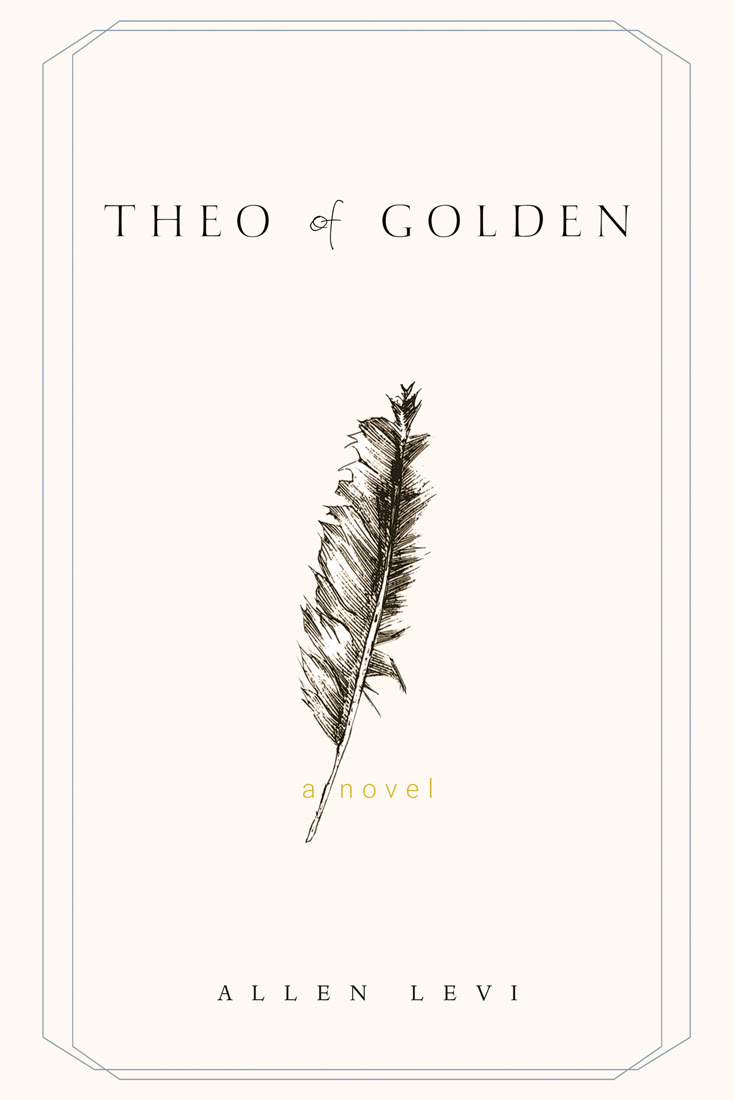
This video explains the ending of Theo of Golden, including how the book ends and who Theo really is. If you haven’t finished it, stop here and watch my spoiler-free review instead. Still here? Good. Let’s walk through the final act, everything it reveals, and whether it earns the tears.
The Night at the Fountain
The ending begins with the happiest night of Theo’s year. Simone’s cello recital goes perfectly, the whole Promenade is sitting in the front rows, Simone surprises Theo with a song written in his honor, and Theo walks home thinking this might have been the happiest day of his life.
Hours later, three drunk young men grab Ellen’s hat as she sits by the fountain. She fights back, and they beat her badly. Simone, walking home with his cello, runs in to defend her. They break his hand, smash his cello, and throw him in the water. Theo wakes up, watches it all from his balcony, and begs them to stop. He leans out over the railing, the one Mr. Ponder had warned was too low, and falls to the sidewalk. He dies there. Ellen and Simone never even know he was watching. The police decide it was an accident, and the attackers are never identified.
Who Theo Really Was
Three days later, a front-page obituary reveals what nobody in Golden knew. Theo is Gamez Theophilus Zilavez, known simply as Zila, one of the most famous painters of his century. His work hangs in the great museums of the world, and he has lived for decades as a recluse. He could have bought all ninety-two portraits without noticing the cost. Instead he spent a year anonymous, in a rented apartment, giving them away.
The obituary fills in his pain, too. His wife and daughter died in a car accident in 1987, and the daughter is the Tita he mentions all through the book. And his last paintings, a collection called The Blues of Golden, show a hat, a pair of shoes, a pill bottle, a feather, and a river: objects from the friends he made. The quote at the very start of the book comes from a brochure for that exhibit.
The Letters
The emotional core is a set of three letters that Mr. Ponder gives to Asher, the artist who drew all those portraits. Asher climbs to Theo’s apartment and finds one last painting on an easel: a portrait of himself, painted by Theo. Then he reads. Years ago, a six-year-old boy named Asher wrote a short note to the famous painter Zila, saying he liked to draw. Zila wrote back, and that reply hangs in a frame in Asher’s studio.
Theo’s letter explains the rest. In Madrid, he fell in love with a young woman, Asher’s mother, the one everyone else calls Gammy. He chose fame over her, and she left. Later he learned she had quickly married a good man, and that she had a son. She wrote to him once, asking him never to contact her, and telling him the boy was his. Theo honored that until the day she died. Asher is his son, and Asher is the reason he came to Golden. It also explains why Minnette’s portrait came first. Her eyes reminded him of Gammy.
Two keepsakes come with the letters. An opal necklace, which Theo gave Gammy as a promise to marry her, and which she sent back. And a small painting of a painter at an easel, with a note on the back saying, me painting you painting me. I love you.
Where Everyone Ends Up
The epilogue then jumps ahead and tells you where everyone landed, almost like end credits. Minnette and Derrick have a son named Theo. Lamisha is walking without crutches, and her education is paid for. Basil is working on a doctorate and has married Trina. Simone’s hand heals, and he joins a symphony in Massachusetts, playing a vintage cello his friends bought him. Kendrick gets a promotion. And the bookseller still says his shop is a week from closing, and still drinks one small glass of port every evening.
Ellen’s thread is the quietest. She recovers, moves into the Mission, and builds her featherwood business. And after the funeral, a young woman named Olivia Reese comes to Mr. Ponder asking for help finding someone. He reads her letter and says one name: Willa. It’s the daughter Ellen lost in a hospital thirty years before. The book never stages the reunion. It only tells you that Willa is now thirty-five, and lets you imagine the rest.
What It Means
A few ideas tie it together. First, the road to Emmaus. At the memorial, the priest compares Theo to the stranger who walks beside two grieving travelers, and says their hearts burned within them. That is the same line that closes the book’s very first page. The whole story is about a stranger who comes alongside people and changes them.
Second, the book is a contrast between fame and love. Theo once chose his own greatness over the woman he loved. His last year is the reverse. He hides his name, and uses his money and his talent to make other people feel seen. And third, it ends in spring. Theo’s death isn’t the end of his gifts. They keep multiplying: a baby, a book, a cello, a daughter. An end with a future.
Did It Land?
So, does the ending work? For me, mostly yes. The letters are the strongest pages in the book. They quietly reframe the whole year, and that last painting is genuinely moving.
But I have two complaints. The reveals lean hard on coincidence: the one old flame, the one son, the one town. And Theo’s death is abrupt, almost accidental, and the people responsible never face consequences, which some readers will find unsatisfying, though the book seems to want you to feel that. I’d give the ending four out of five. If you’ve read it, tell me in the comments what you made of it.