Meet The Walkers
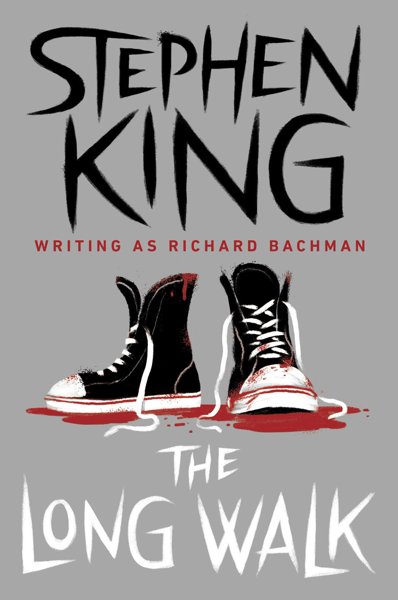
Who is Garraty? Who is the scary one? And who actually matters? This video has light spoilers. I name the people, I tell you how they relate, and I mention a few early deaths. I do not say who wins, and I skip the late reveals.
Here is the short answer. A hundred boys start. About a dozen become real people to you, and the book makes sure you care about them before it does anything to them. The center is a trio, Ray Garraty, Peter McVries, and Art Baker, with two people on the edges that nobody can ignore: Gary Barkovitch, who everybody hates, and Stebbins, who nobody understands.
Content note: strong language, slurs in some of the dialogue that I will not repeat, and graphic violence against teenagers.
Ray Garraty
Ray Garraty is number forty-seven, sixteen years old, from a small town in southern Maine. He is tall, well built, polite, and a bit naive. The crowd calls him Maine’s Own, and a road worker tells him he has money on him at twelve to one.
Why is he here? He does not know. That is the point. His father was taken away by the government Squads eleven years ago, for saying the wrong thing, and Garraty has not seen him since. His mother is thin and frightened. His girlfriend Jan begged him to take the last backout date, and he refused without being able to explain why.
He is loyal in small ways. He hands round his mother’s cookies, and gives Olson his cheese spread when Olson drops his food belt.
Garraty is our eyes. He watches, he counts, he points out the constellations, he gets angry, he breaks down laughing. He starts out sure the Walk is a story where he is the star, and the book is about what that costs him.
Peter McVries
Peter McVries, number sixty-one, is the first boy Garraty meets. He has a long scar down his cheek, a sarcastic mouth, and a habit of saying the thing nobody wants said. He carries raw hamburger in his pack, and a toothbrush, and a kind of tired wit.
He is also the book’s moral center, even though he would hate that. He says the Walk is pointless. He mocks the crowd. He mocks Garraty. And then he does something for Garraty that Garraty never forgets.
Where did the scar come from? That is a story McVries tells later, about a girl named Priscilla and a pajama factory. He says he has no idea what he would ask for if he won. His reason for being on the Walk is the book’s quietest argument: he is there, and he can’t explain it either.
Baker And Olson
Art Baker is number three, a slow-talking boy from the South with a gentle drawl. He grew up poor, thinks about the Prize, and has an uncle who was an undertaker, so he talks about coffins more than anyone should. His favorite book is The Woman in White. Baker once rode with night riders as a child, and left them ashamed. He is the kindest person on the road, and that is part of why the book hurts.
Hank Olson, number seventy, is the opposite at first. He cracks jokes, says walking is his game, and tells the others the Major likes someone raring to rip. Then the road starts working on him, and the jokes get thin.
Together with McVries and Garraty, they form the group the book calls the Musketeers. But McVries warns early that this is not a Three Musketeers situation. If you fall over, I won’t pick you up.
Gary Barkovitch
Gary Barkovitch is number five, a small, sharp-nosed boy from Washington, D.C., with a yellow rain hat and something he calls the Plan. He is rude to everyone. He picks fights. He tells a reporter he plans to dance on a lot of graves.
Barkovitch is the Walk’s villain, and the other boys treat him like one, especially McVries, who sets his one goal as outlasting him.
But the book is clever about him. Late in the first days, there is a moment when he is as scared and lonely as anyone, and that is more unsettling than the bragging. He is the character I would argue about most with other readers.
Stebbins
Stebbins is number eighty-eight, a thin blond boy in purple pants and a blue shirt. He walks at the back of the pack, off by himself, eating jelly sandwiches in the first hour. He seems to be conserving everything. He is the very first to take a warning, on purpose, to learn where the limit is, and Olson calls it smart.
Stebbins rarely speaks, and only really talks to Garraty. When he does, he is unsettling. He seems to know too much about the Walk. He asks Garraty questions and answers them with riddles, about carrots and mules and white rabbits.
I won’t say more. If you read one character slowly, read him. Every scene with Stebbins changes how you see the road.
Jan And The Family
Off the road, three people pull on Garraty. Jan is his girlfriend, sixteen, who taught him that books can be thrown away and learned to knit from him. His mother is tall and too thin, and she whispers in a voice he has come to dread. Her friend, Dr. Patterson, tries to talk him out of it and gets nowhere.
And there is his father, whom the Squads took when Garraty was small. His father knitted, drove trucks, and had no patience for the Walk. Garraty remembers him in flashes: his big shoulders, his laugh, and the one Long Walk he took his son to see, as a lesson.
There was also a little brother, Jeff, who died at six. The book mentions him briefly, and it never forgets.
Numbers And Names
One more thing about the cast. The boys wear plastic numbers on their shirts, and the soldiers call them by number, not name. A warning is a number said out loud. Warning forty-seven. Warning sixty-one.
Garraty notes this early. Plenty of boys die without anyone knowing their name. One boy goes down, and the word never comes back on who he was. That is why Harkness asks everyone for a name and a number, and why Garraty cannot let go of a boy in a loden-green trench coat who will not tell him his.
When you read, keep the numbers. Forty-seven, sixty-one, three, seventy, five, eighty-eight. Those six will carry you.
The Rest Of The Hundred
A handful more. Scramm, number eighty-five, is a huge, cheerful boy from Phoenix who married at fifteen and wants a boy. Abraham, number two, looks like Lincoln and got in by being a smart aleck. Collie Parker is a tough boy from Joliet, Illinois, who swears at the state of Maine. Pearson wears thick glasses and carries ninety-nine pennies. Harkness wants to write a book about the Walk.
Early casualties teach you how this works. Curley is the first to go, and Ewing the second. Percy walks with his mother’s voice following him from crossroads to crossroads. Gribble calls the Major a murderer. Zuck bleeds. Davidson, number eight, has acne and says he is scared for all of us. Fenter wears a souvenir shirt from a cog railway on Mount Washington.
Two brothers walk in matching leather jackets, and a rumor about them is not what it seems.
The Major And The Crowd
Then there are the people who aren’t Walkers. The Major runs the Walk. He is tall, tanned, and always in mirrored sunglasses, with a pistol on his belt. The rumor is that his eyes are extremely sensitive to light, which is why nobody ever sees them. Garraty’s father once called him a society-supported sociopath. The boys cheer him anyway, which tells you how this world works.
The soldiers on the halftrack barely speak. They have wooden faces, carbines, and stopwatches, and they follow every boy for five days.
And then there is the Crowd, which Garraty starts calling by a capital letter. It cheers, bets, throws confetti, and eats picnic lunches. By the end, the Crowd feels like the most dangerous character in the book.
Who Is Close To Whom
Here is the map. Garraty and McVries are at the center, bound by debts neither wants to name. Baker is close to both of them. Olson hangs on the edge. Abraham and Pearson drift in and out of the group.
Barkovitch is everyone’s enemy, and McVries is his enemy in particular. Stebbins stands apart, tied only to Garraty. Scramm is a friend to anyone who talks to him. Parker begins as an enemy and slowly softens into something else.
Off the road, Garraty is tied to his mother, to Jan, and to a father he cannot stop thinking about. Those are the three threads that pull on him.
Who To Watch
My take, and this is opinion. If you want to know what the book is really saying, watch McVries and Stebbins. McVries says the Walk makes no sense. Stebbins acts like it has an answer. Garraty is stuck between them, and so are you.
One tip for new readers. The first chapter introduces almost everyone at the starting line, in a parking lot, while they are still joking. Do not worry about keeping them all straight. The road sorts them out, and the people you remember are the ones who talk to Garraty. Come back to this video when a name slips.
The cast is bigger than you can remember on a first read. That is part of the point, and why the numbers matter: the book keeps them in front of you, so nobody is just a body.
If you want the whole picture, the full guide to The Long Walk is on bookexplained.com. So tell me, who is your favorite Walker? Tell me below, and subscribe for the ending explained video.