The Short Version
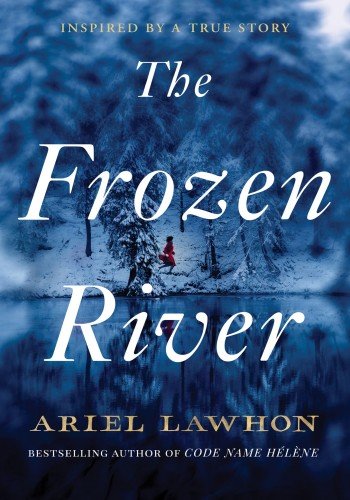
The Frozen River, Ariel Lawhon’s 2023 novel, is a strong book club pick because it ends in an act of violence that your group will argue about, and because its heroine was a real woman. Martha Ballard was a midwife in Hallowell, Maine, who kept a diary for twenty-seven years. Lawhon says about seventy-five percent of the novel follows the historical record, but the murder at the center of it is invented.
Below are twenty questions: ten that avoid the ending and ten that don’t. We rate the book four out of five. It runs more than four hundred pages, so plan your meeting accordingly.
Before You Start: Content Notes For Your Group
Rape is central to the plot, and one courtroom testimony is graphic. The book also includes stillbirths, the deaths of children, period racism and a violent scene near the end. Say so to your group when you pick it.
Spoiler-Free Questions
- The Kennebec River freezes a month early in the winter of 1789, and a man is found frozen into the ice. How does the winter setting shape the story?
- Martha is a fifty-four-year-old midwife who has delivered hundreds of babies. What does the book say about whose knowledge counts: hers, or the new doctor trained at Harvard?
- Martha says the dead man was beaten and hanged before he went in the river, and the doctor says he drowned. Whom did you believe, and why?
- Rebecca Foster has accused two men, one of them the town’s judge. Why does it matter that the court is run by a man she accused?
- Martha’s diary is the only record of Rebecca’s injuries, and almost every real entry ends I have been at home. What does it mean for a woman’s record to be the evidence?
- Martha and her husband, Ephraim, have been married thirty-five years. Is their marriage the book’s most believable relationship, or too perfect?
- The birth scenes alternate between Martha’s experience and the doctor’s laudanum. Which approach did the book favor, and was it fair?
- Lawhon says the accusation, the judge and the trial are real, and the murder is not. Does knowing that change how you read it?
- The mystery barely moves for much of the book. Did the slow middle work for you, or did the case repeat itself over three hearings?
- Martha’s voice is sharp, funny and a little profane. Which line or insult stayed with you?
Spoiler Questions (Finish The Book First)
- Rebecca and Isaac don’t show up to the trial, and Judge North is acquitted. Rebecca later says she couldn’t face another room full of men. Did you blame her?
- The baby is born with a strawberry birthmark behind her knee, the same mark Burgess had on his temple. Why does the book make her father known only through the child?
- Martha has buried three daughters, and she does not drown the baby at the river. Instead she takes her to Sarah White. Discuss that choice.
- In the mill, North confesses because he cannot be tried twice. Martha breaks his nose, takes Ephraim’s blade and castrates him, then stitches him up. Was that justice?
- Ephraim calls it severe mercy. How do you read the phrase?
- Sam Dawin killed Joshua Burgess, with help from Martha’s son Jonathan, after Burgess raped Sam’s fiancée May. Martha keeps their secret. Should she have?
- Martha tells Jonathan to ask his father about Billy Crane, and we learn Martha was raped in 1754 and Ephraim helped make sure the man hanged. How does that reframe her?
- The book sets three acts of justice outside the law side by side. Does it approve of all three, and do you?
- Lawhon defends the mill scene in her author’s note because the real North was never punished. Does that justify it?
- The last scene shows the silver fox with four kits, one red and three silver, near the stones Ephraim laid for their three lost daughters. What is the book saying about grief and renewal?
Real History Behind The Book
If your group wants to check the history, our fact-check page sorts what in the book is real from what is invented. In short, Martha Ballard, her diary and the Foster case are real, while the murder of Joshua Burgess and its solution are the author’s invention.
What To Read Next
Our books-like-it list has more historical novels for your club. If you want to decide before you commit, read the spoiler-free review, and save the ending explained for after the discussion.