The Verdict
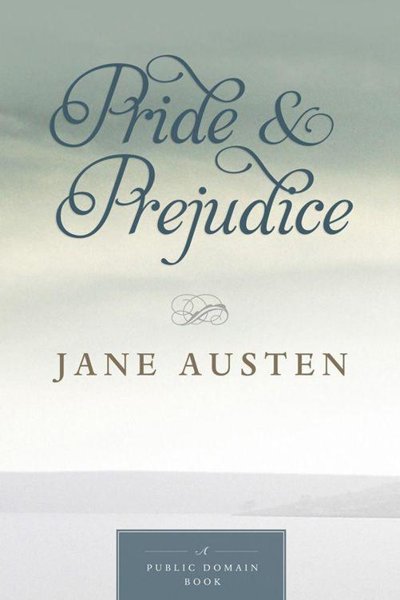
Today I’m giving you my honest take on Pride and Prejudice, by Jane Austen, the book that basically invented the modern romance.
My verdict: read it. It’s funny, sharp, and much more readable than its reputation. Yes, the language takes a chapter or two to get used to, and the middle has some slow stretches. But I give it four and a half out of five, and I’ll keep this spoiler free.
What It’s About
It’s England, around the turn of the eighteen hundreds. The Bennet family has five daughters and a problem: their house can only be inherited by a man, so when Mr. Bennet dies, the girls could lose their home.
So Mrs. Bennet has one mission. Marry her daughters off, preferably to someone rich.
The Famous Opening
The book opens with one of the most famous lines in English: it is a truth universally acknowledged, that a single man in possession of a good fortune, must be in want of a wife.
It sounds serious. It’s actually a joke. The point is that everyone assumes it, especially the mothers of single daughters.
Elizabeth And Darcy
A rich young man, Mr. Bingley, moves into the neighborhood, and he brings his even richer friend, Mr. Darcy. At the first dance, Darcy refuses to dance and calls Elizabeth Bennet tolerable, but not handsome enough to tempt him.
Elizabeth overhears, and laughs about it. Darcy is proud. Elizabeth is quick to judge. That’s the title, and the engine of the whole book.
The Bennets
The family is half the fun. Jane, the gentle, beautiful eldest. Lydia, the youngest, wild and boy crazy. Mary, who reads sermons, and Kitty, who copies Lydia.
Mrs. Bennet is loud and embarrassing. Mr. Bennet hides in his library and makes dry jokes. Austen loves them and mocks them at the same time.
What Works
First, Elizabeth. She’s witty, stubborn, and willing to say no to men with money, which in her world takes real nerve. She’s one of the great heroines in fiction.
Second, the comedy. Mr. Collins, the pompous clergyman, is one of the funniest characters ever written, and his proposal scene is a masterpiece of awkwardness.
Third, the slow burn. The romance builds through arguments, misunderstandings, and one very famous letter.
What Doesn’t
Now the honest part. First, the language. Long sentences and formal dialogue can feel like a wall for the first few chapters. Push through, it clicks.
Second, the pacing. There are stretches of visits, letters and dinners where not much happens.
Third, the world is narrow. It’s a small slice of wealthy country life, and it barely mentions the wider world, including the war going on at the time.
Why It Lasts
It’s been more than two hundred years since it was published, in eighteen thirteen, and it still feels modern. Two smart people misjudge each other, and have to admit they were wrong.
That story structure is everywhere now, in romance novels, romantic comedies, and even Bridget Jones’s Diary.
The Scorecard
My scores. Characters, five out of five. Humor, five. Romance, four and a half. Readability, four. Pacing, four. That averages to four and a half.
Who It’s For
Read it if you love romance, witty dialogue, or enemies to lovers. And read it before the new Netflix series arrives in December.
Skip it if old fashioned language really isn’t for you. In that case, start with the nineteen ninety five series or the twenty oh five film, then come back.
Where To Go Next
I’ve also made a full summary, a comparison of the book with every major adaptation, including the Netflix series, and a list of books to read next. They’re linked below. Tell me in the comments: team Darcy, or team Bingley?