The Short Version
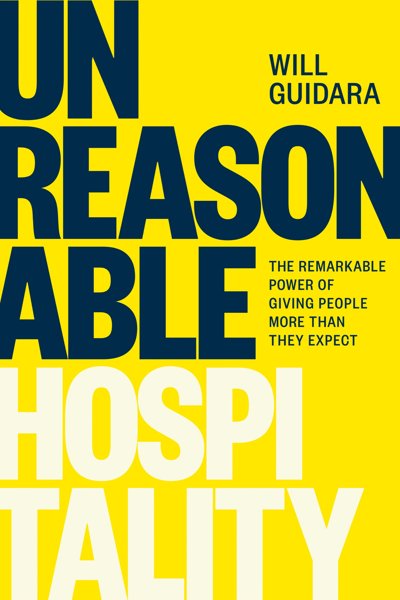
Today I’m summarizing a business book that people outside restaurants can’t stop recommending: Unreasonable Hospitality by Will Guidara.
Here’s the book in one sentence. Guidara and chef Daniel Humm turned Eleven Madison Park from a two-star brasserie into the best restaurant in the world, and he argues the secret wasn’t the food: it was giving people far more than they expected. Let’s go through his big ideas.
Who Will Guidara Is
Guidara grew up in the restaurant business. His father, Frank Guidara, was a respected restaurant executive, and Will studied at Cornell’s hotel school.
At twenty six, he took over the dining room at Eleven Madison Park in New York, part of Danny Meyer’s Union Square Hospitality Group. He and chef Daniel Humm later bought the restaurant, and in twenty seventeen, it was named number one on the World’s 50 Best Restaurants list. He was forty when he and Humm parted ways.
Service Versus Hospitality
The first big idea is the difference between service and hospitality. A colleague put it this way, and Guidara never forgot it: service is black and white; hospitality is color.
Service is doing the job correctly and efficiently: the right plate, at the right time. Hospitality is how you make people feel while you do it. You can get service perfectly right and still leave someone cold.
The Hospitality Economy
Guidara argues that this isn’t just about restaurants. We now live in what he calls the hospitality economy. Whether you sell houses, write code or teach, people remember how you made them feel.
One example he gives: a real estate agent who realized the best agents don’t sell houses, they sell homes. The product is the same; the feeling is what people pay for.
Setting Expectations
The early chapters cover the long climb. Eleven Madison Park started as a beloved but middling Danny Meyer brasserie. Daniel Humm was a chef trained in strict European kitchens. Will was a hospitality guy who believed in warmth.
At first they clashed. Guidara writes honestly about it. But the tension became a strength: excellence in the kitchen and warmth in the dining room. They set a goal to earn four stars from The New York Times, and then a much bigger one, after a trip to London: to be the number one restaurant in the world.
The Rule Of Ninety Five Five
One of the most practical ideas in the book is the Rule of ninety five five. Manage ninety five percent of your business down to the penny. Then spend the last five percent “foolishly” on the guest.
That last five percent, he says, has an outsize impact on the experience, so it’s some of the smartest money you’ll ever spend. The discipline on the ninety five is what makes the generosity on the five possible.
The Hot Dog
Here’s the story everyone remembers. Guidara was clearing a table when he overheard four guests from Europe saying they’d eaten everywhere in New York, except a street hot dog.
He ran out to the Sabrett’s cart on the corner, bought a hot dog, and convinced the kitchen to cut it into four perfect pieces and plate it like a fancy course. The guests went wild. It cost a couple of dollars, and it became the most memorable part of a four-star meal.
Legends And Dreamweavers
That moment became a system. Guidara called these personalized surprises Legends. And he created a full-time role to make them happen, named after a song he loved: the Dreamweaver.
One night, a family from Spain was having their last dinner in New York while thick snow fell outside. The kids had never seen snow. So the team bought four brand-new sleds, and after dinner a car took the family to Central Park to play. That’s unreasonable hospitality.
Culture And Leadership
A big part of the book is about leading people. Guidara believes you have to treat your team the way you want them to treat guests. He spent hours designing beautiful pre-shift meeting notes. He gave the dining room room to be creative, so they weren’t just carrying other people’s work.
He also talks about letting go. As the restaurant grew, he had to hand over control and trust his team. One of the most honest chapters is about how a longtime captain told him he was hurting the restaurant by refusing to name a successor.
Excellence And Balance
Guidara is clear that hospitality doesn’t replace excellence. The restaurant got onto the 50 Best list by attending to every detail. The color only works on top of the black and white.
He also writes about burnout. Ambition can be wonderful, but it can also take over your life. Restoring balance, for him and for his team, became part of the work.
Reaching Number One
After years of climbing, Eleven Madison Park was named the best restaurant in the world in twenty seventeen. Guidara writes that the hospitality, not just the food, is what got them there.
Along the way, they went back to basics. Guidara posted one simple line above the time clock: to be the most delicious and gracious restaurant in the world. Delicious and gracious, those were the criteria.
The Takeaway
So that’s Unreasonable Hospitality. Service is black and white; hospitality is color. Manage ninety five percent carefully and spend five percent generously. Look for the Legend. And treat your team the way you want them to treat everyone else.
If you want my honest take on the book, and a practical plan for using these ideas at work, both are linked below. Tell me in the comments: what’s the best hospitality you’ve ever received?